
Custom vs. Stock Cabinets — Make the Right Choice for Your Kitchen!
Torn between custom cabinets and stock cabinets? Learn the pros, cons, and costs of each, plus why cabinet refacing might be your best option.
By
Andrei Graur
Published
3/29/2024


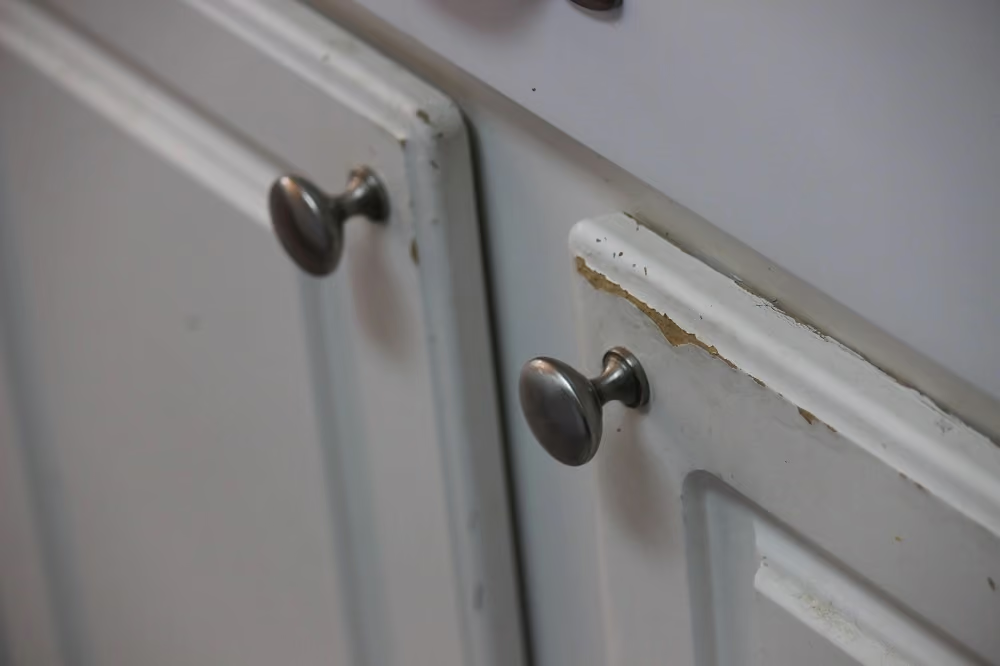
Peeling thermofoil cabinets create an instant eyesore in the heart of your home. That bubbling, lifting finish makes even the cleanest kitchen look neglected and outdated, which explains why 85% of homeowners prioritize cabinet renovation when upgrading their kitchens, according to the 2025 Houzz Kitchen Trends Study.
While countless DIY videos promise quick fixes with glue guns and paint, most homeowners discover these shortcuts lead nowhere fast. Professional Chicagoland cabinet refacers know the real story: lasting solutions need proper materials and techniques that go far beyond temporary patches.
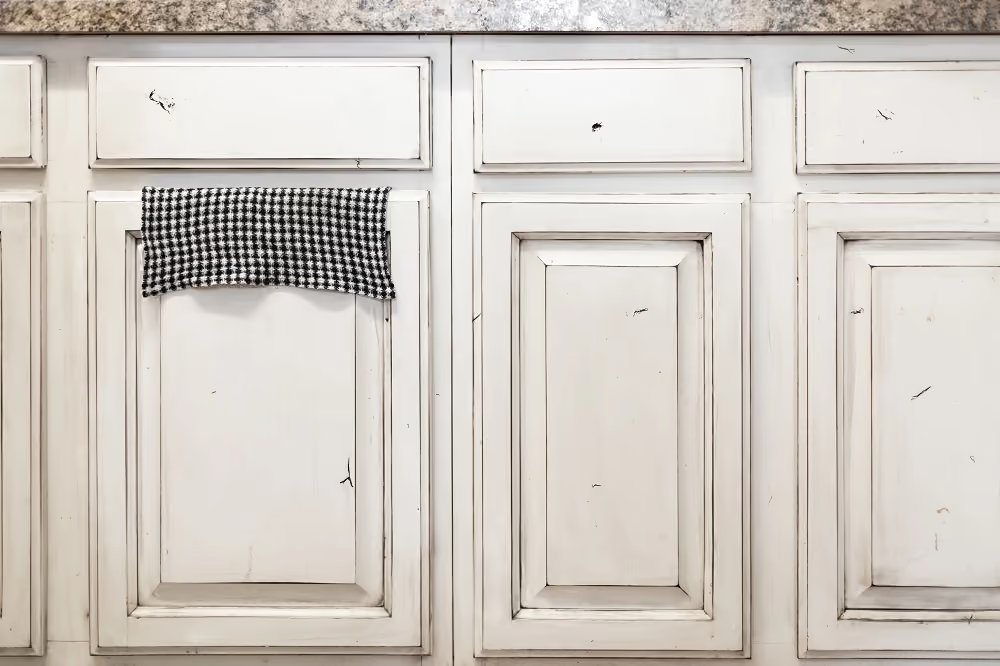
Let's be clear: the solution I'm about to reveal addresses more than just peeling thermofoil. Yellowing, heat damage, chips, cracks – they'll all be a thing of the past!
But before we get to the fix, let's understand why this trouble starts. Knowing the root causes helps you avoid bigger headaches and saves you serious money down the road. So, what are thermofoil's worst enemies?
Those seemingly harmless splashes and steam are waging a silent war on your cabinets. They seep into the edges of your thermofoil, causing unsightly peeling and bubbling. Poor ventilation? That's an invitation for even more damage.
Don't underestimate the destructive power of heat! Hot pans, ovens, and even sunlight can warp and weaken thermofoil over time. This weakens the bond between the vinyl and MDF, paving the way for peeling.
Scratches, bumps, and the constant hustle of the kitchen weaken your cabinets bit by bit. Each tiny ding provides an opening for moisture. Frequent opening and closing stresses edges, leading to the dreaded peeling.
Even with the best care, cabinets aren't forever. After a decade or so, that glue can start to weaken, and the protective vinyl layer loses its strength. It's not your fault, simply the natural course of things.
Sometimes, peeling starts far too soon. This could be due to low-quality materials or poor installation. Without proper sealing, those edges are left vulnerable from day one.
Those peeling cabinets are an eyesore – I get it! But before I reveal the real solution, let's address those online "quick fixes". Spoiler alert: most aren't as good as they seem.
Small peels happening? A dab of strong wood glue or contact cement might temporarily hold things together. Clean the surface, apply the glue, and clamp it down until fully dry (usually a full day).
DIY Insight: Quick fix, low skill needed, minimal tools. Best for tiny spots, not a long-term solution.
Pro Insight: Most professionals don't consider this a true repair. It's a band-aid solution at best.
Larger peels? Thermofoil repair kits with matching patches can help. They're around $30-$50. Clean, patch, and apply a bit of heat from your hairdryer to blend... It won't be perfect, but it's an improvement.
DIY Insight: Requires a bit more care and precision. May be hard to achieve a seamless appearance.
Pro Insight: Many "pros" offer patching, but it's rarely a permanent fix without the right tools.
Peeling is getting out of hand, but those cabinet boxes are still solid? Paint's your answer! It's the budget-friendly way out, but be warned – it's a whole new look for your kitchen. A bit of sanding, the right primer, some quality paint, and voila! Just remember to pick that perfect new color.
DIY Insight: More time-consuming, requires moderate skill. Prep work is key for a smooth finish.
Pro Insight: Finding a pro who specializes in painting thermofoil is crucial. Standard painters may struggle to get good results.
Boxes good, but doors a disaster? Replacement could be the way to go! New thermofoil doors and drawers cost significantly less than full cabinets. Measure precisely, order carefully, and those cabinets will feel brand new.
DIY Insight: Can be done with basic tools, but precise measurements are a must. Color matching can be tricky.
Pro Insight: Many "handyman" types offer this service, but check their experience specifically with cabinet doors.
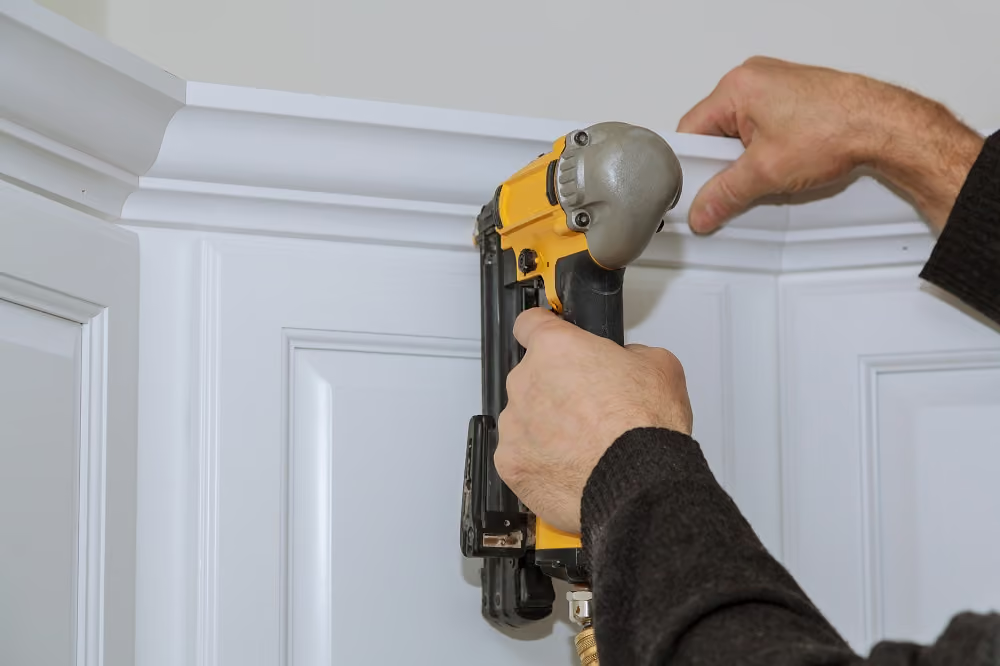
If peeling is everywhere, consider the big guns. Refacing means a new layer of thermofoil or laminate goes right over those old boxes, plus new doors and drawers. Change the color, update the style – it's like a mini kitchen remodel! Refacing costs half what new cabinets do and takes way less time.
DIY Insight: Not a DIY project. Requires specialized tools and expertise.
Pro Insight: Choose a refacing specialist, not a general contractor. Ask about materials and processes, as quality can vary widely.
You’ve likely seen big viral repair videos making the rounds – ones with millions of views promising "easy fixes." Let’s break down what three popular videos actually reveal (and what they conveniently leave out).
This video's getting shared everywhere. The process? Slap contact cement on both the peeling thermofoil and the cabinet surface, wait 10-15 minutes, press together, and you’re done.
Here's the catch: the creator himself admits you'll see the repair line. His exact words? "Only you will notice this flaw." Translation: it's visible. Always. Then he suggests covering it with white semi-gloss paint for that "cosmetic touch-up."
The real kicker? He says you might get 2-3 years out of this repair. In other words, you're looking at repeating this whole process before your kid even graduates elementary school.
This one's actually about a failed DIY attempt. Someone painted their cabinets, and the paint started peeling after only seven days.
The problem? They skipped proper surface prep. No thorough cleaning, minimal sanding, paint applied over who-knows-what. The "solution" shown involves sanding everything down with 220-grit paper, repriming, and repainting.
If the peeling's widespread, the video recommends stripping everything with paint remover and starting completely over. That's your entire weekend (or three) gone, and you're still not guaranteed a finish that'll last.
This TikTok creator makes removing thermofoil look easy; no heat gun needed, the film just peels right off! Then it's two coats of primer, two coats of paint (Behr gets name-dropped), and a clear enamel topcoat from Rust-Oleum for that protective shine.
The pitch? "Save thousands doing it yourself!"
What's missing? Any discussion of how standard cabinet paint handles daily kitchen abuse. No mention of moisture resistance, heat tolerance, or how long before you're repainting. And that MDF underneath? Once thermofoil's gone, you're dealing with a porous surface that loves soaking up humidity.
Hold up! There's another factor at play. If your kitchen is 15-20 years old (or older!), it's likely your cabinets were made when quality wasn't the top priority. Companies used the cheapest, thinnest thermofoil they could find.
But here's the good news: Technology has advanced! Today, we have rigid thermofoil, or 3D laminate. This stuff is way tougher than the old junk – heat-resistant, scratch-resistant, and even fights fading. It's a game-changer!
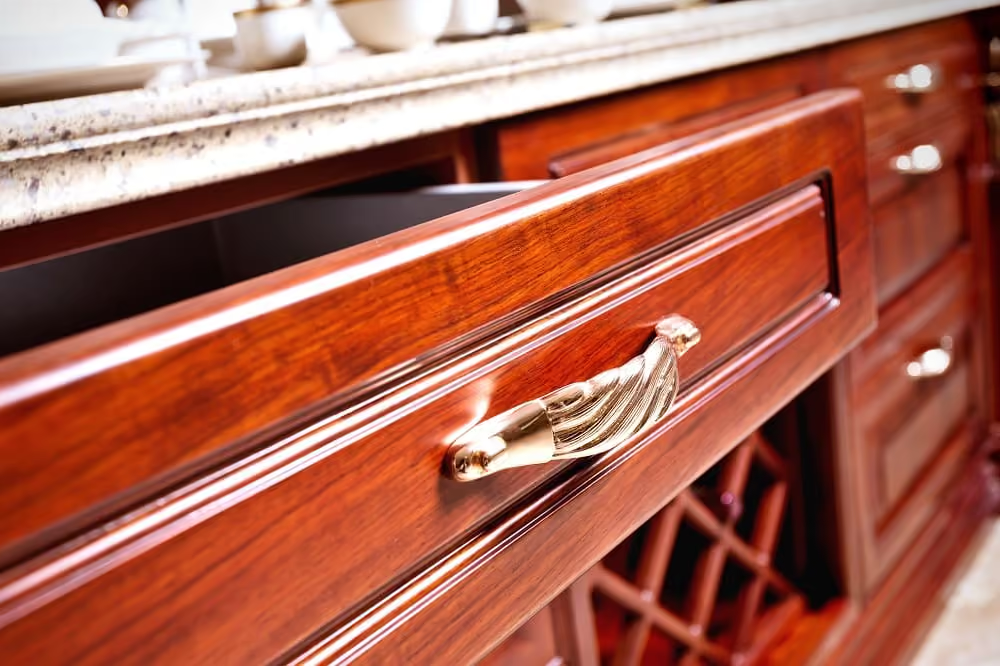
Technology has transformed cabinet materials since those problematic cabinets were installed 15-20 years ago. Today's 3D laminate technology delivers performance that old-school thermofoil never could.
The bonding process changed, too. Modern vacuum-press technology creates permanent adhesion under controlled heat and pressure. Compare that to whatever assembly-line process slapped your current cabinets together, and the quality differences are enormous.
This is why professional refacing delivers 20+ year results while DIY repairs buy you 2-3 years max. You're not just getting better installation; you're getting materials that didn't exist when your current cabinets were made.
Some repairs make sense, but in some situations, you're only wasting money.
Your cabinets turning yellow? That's not surface dirt; it's the thermofoil material breaking down at a chemical level. You can glue it, patch it, paint over it, and that yellowish tinge will still show through within months.
The discoloration bleeds right through fresh paint, showing around every patch edge. Once yellowing starts, you're fighting an uphill battle.
Got peeling on three doors? Five? More? You're not looking at isolated damage; you're looking at system-wide failure.
After repairing one cabinet, its neighbor could start to peel as well. Same heat exposure, same moisture problems, same aging adhesive throughout your entire kitchen. You end up spending every other weekend with a glue gun in hand, trying to fix the peeling sections.
Cabinets that are 15+ years old rarely justify a significant monetary investment. The adhesive's shot throughout the whole installation – not just where you see problems. The MDF underneath might've absorbed years of moisture and started breaking down internally.
At that point, repairs feel like patching a worn-out tire. You're not fixing the problem, you're just postponing the inevitable blowout.
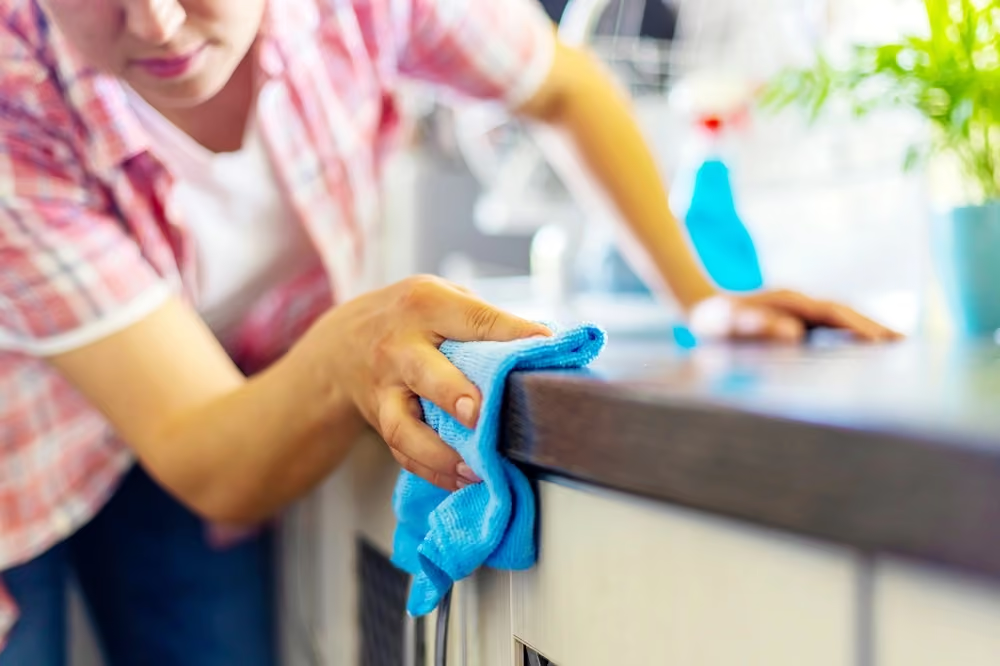
Keep those new cabinets looking sharp with a few simple tricks:
Professional refacing makes sense when repairs would cost 30-40% of what refacing runs, when you're sick of looking at the same tired style, or when you want results that will truly last.
Here's what makes professional refacing different:
The transformation goes beyond fixing problems. You're creating a space you'll actually want to spend time in, not one where you worry about the next section starting to peel.
Peeling cabinets are a hassle, but the fix is easy! Whether you need a simple repair or a complete transformation, we've got the professional tools and expertise to make your kitchen look amazing.
Ready to say goodbye to peeling cabinets? The Kitchen Cabinet Guys will revitalize your kitchen and create the space you've always wanted.
Get in touch for your consultation — let's make that kitchen dream a reality!

Our premium 3D laminate resists everything that destroyed your old thermofoil — heat, moisture, and daily wear. Get your free consultation and see 200+ design options.
Call us now: (800) 809-7197 or
Get a Free EstimateContact us today for a consultation or estimate, and let us help you craft the kitchen you've always dreamt of.

Call us now: (800) 809-7197 or
Get a Free Estimate
