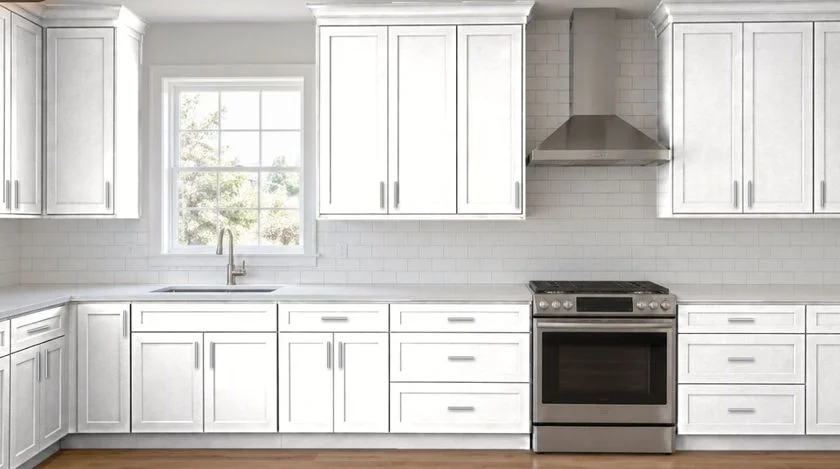
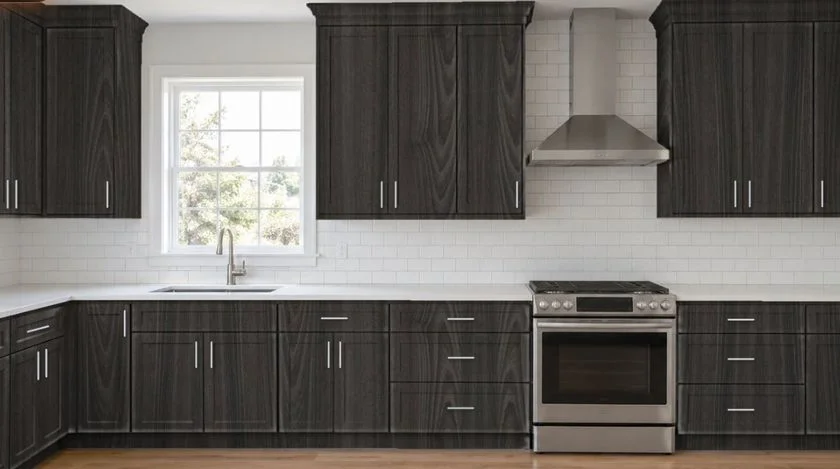
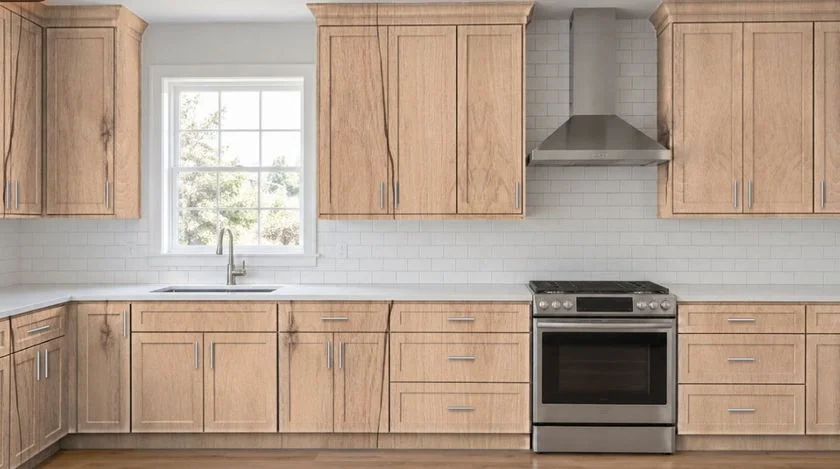
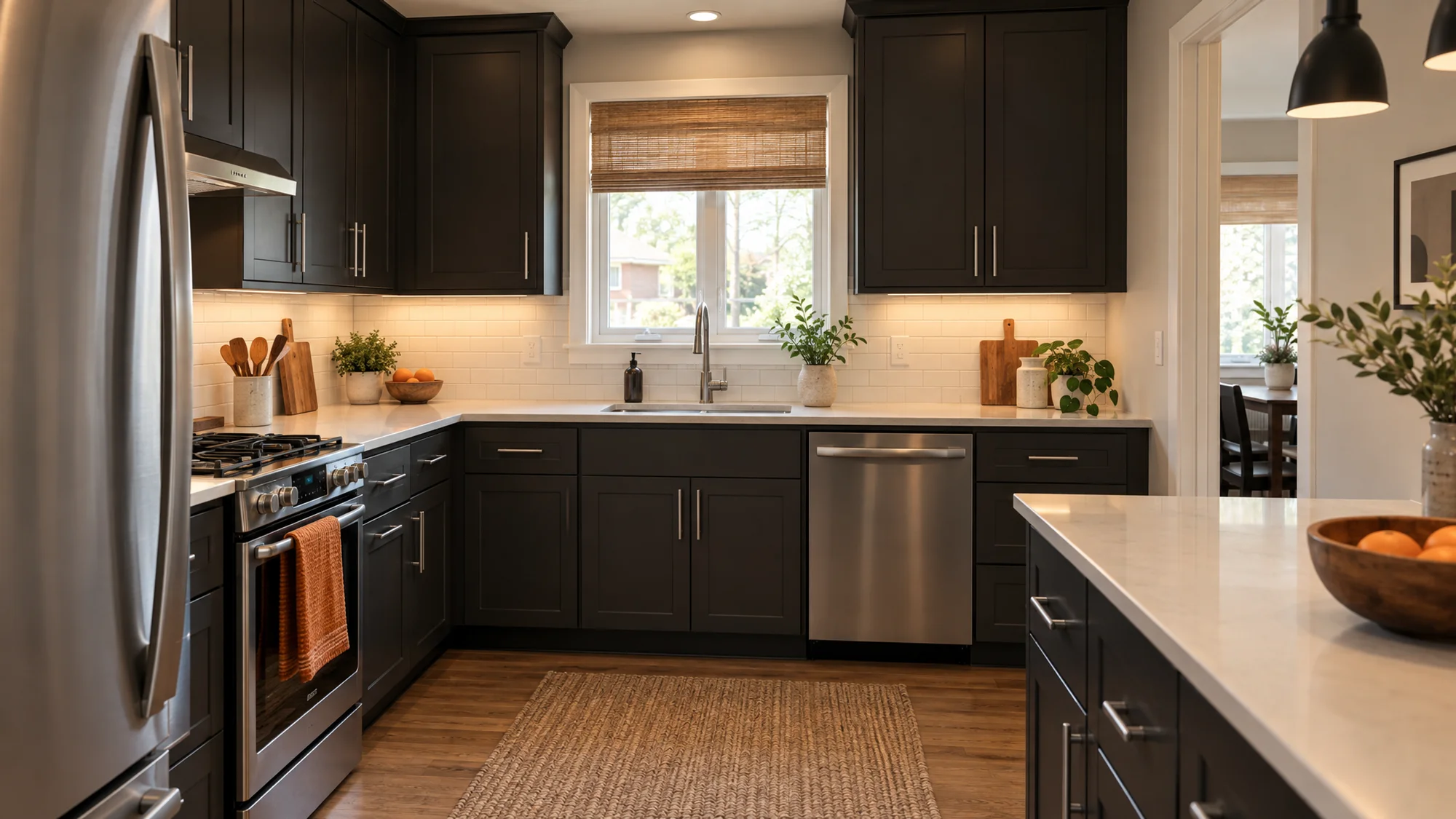
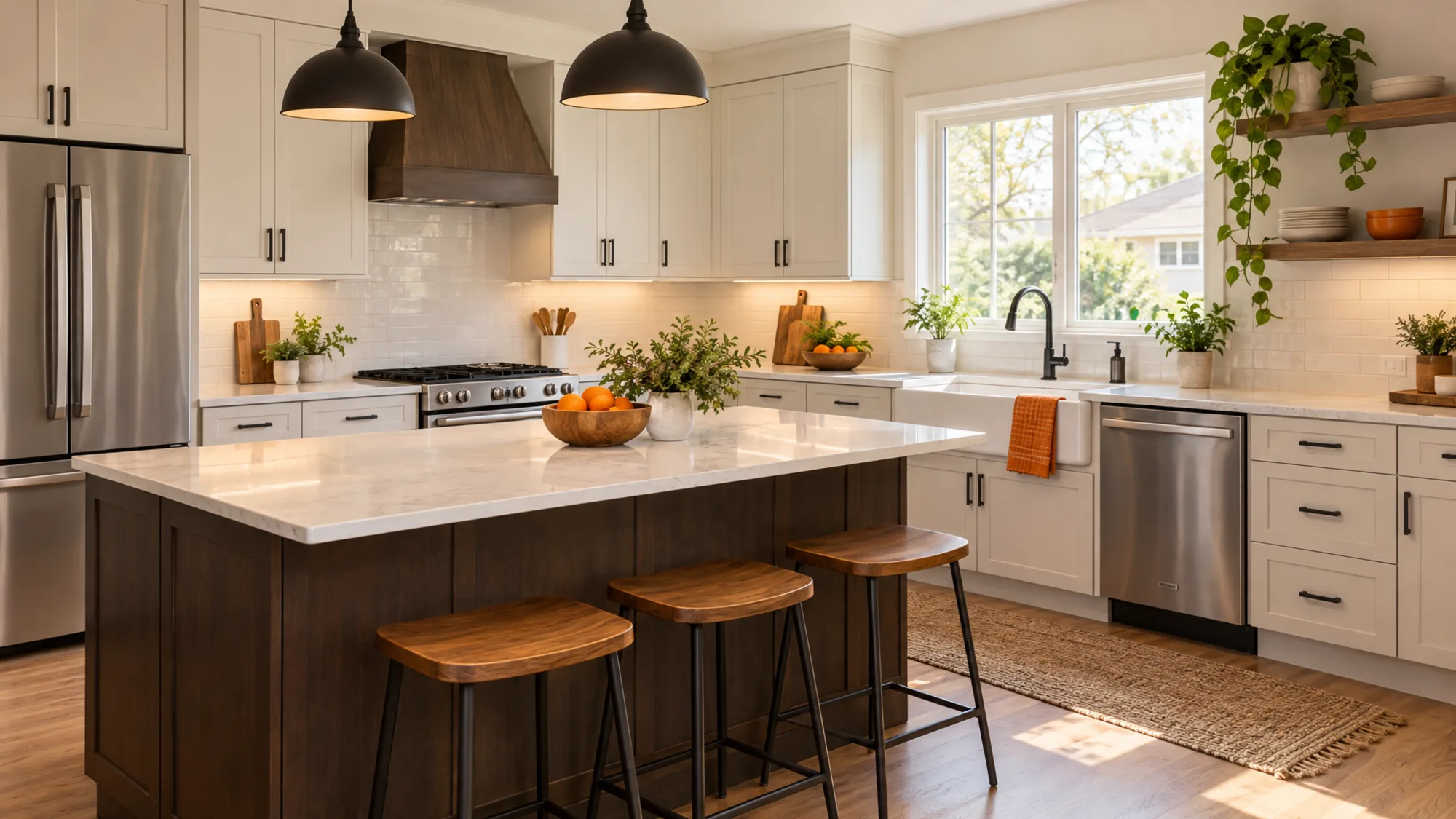
A kitchen can work perfectly well and still look 10 years older than the rest of the house. When cabinets still function but no longer look their best, many Chicagoland homeowners start weighing their options: reface, replace, or leave them as they are.
The short answer: refacing makes sense when the cabinet boxes are still solid, and the layout still works, while the doors, drawer fronts, and hardware are what actually look tired. Once the cabinet frames themselves are warped, water-damaged, or falling apart, refacing stops being the right fix and replacement becomes the more honest answer.
This guide shows you how to distinguish cosmetic damage from structural problems, explains what each sign typically means in a Chicago-area kitchen, and provides a quick self-check to complete before contacting a professional. It also covers real pricing and timelines for refacing your kitchen cabinets in the Chicagoland market, so the decision comes down to your own kitchen rather than a guess.
The Two Questions to Ask Before You Look at a Single Sign
Most articles on this topic jump straight to a list of warning signs. Before scheduling an inspection, start with two simple questions and answer them honestly.
The first question is about layout. Do you still like where the sink, stove, and refrigerator sit? Does storage generally meet your needs? If the answer is yes, the kitchen's bones already work, and changing the visible surfaces is enough to solve the appearance problem.
The second question is about structure. Are the cabinet boxes themselves still solid, level, and free of water damage? This is separate from how the doors look. A kitchen can have outdated doors on a cabinet box that is in excellent shape, and that combination is exactly what refacing is built to fix.
If both answers are yes, the signs below will help confirm it. If either answer is no, refacing may not solve the entire problem. Read the structural section below before investing in new doors.
Cosmetic Signs That Usually Point Toward Refacing
These are the signs that show up first, and the ones most homeowners notice long before they start researching kitchen projects.
Faded, Yellowed, or Peeling Finish
Cabinet finishes take steady abuse from grease, steam, and cleaning products. Polyurethane-coated wood tends to yellow and lose its shine after 15-20 years, and painted finishes chip around handles and corners well before that. On thermofoil doors, heat from nearby appliances, such as dishwashers and toasters, can cause the surface to bubble or peel along the edges. None of these point to a problem with the cabinet box underneath. It points to a finish that has simply reached the end of its life.
An Outdated Door Style or Color
Some kitchens look dated not because anything is damaged, but because the cabinet door style no longer fits the rest of the home. Heavy raised-panel oak, a dark cherry stain with ornate molding, or a color that clashes with newer counters and flooring are common examples. The cabinet box is often fine. The door profile and finish are simply carrying a look the rest of the kitchen has moved past.
Worn Hardware and Small Daily Annoyances
Loose hinges, drawers that stick or drop slightly when opened, and pulls that wobble in your hand are mechanical wear items, not structural failures. These issues often get blamed on aging cabinets, even when the solution is simply to replace the hinges and hardware and, if needed, the drawer boxes — all of which can be included in a standard refacing project.
Important: A worn finish or a dated style is a strong sign that refacing is needed on its own. It becomes a different conversation only if the same cabinet also shows the structural signs covered next.
Structural and Moisture Signs That Change the Answer
These signs matter because they affect whether refacing will hold up at all, not just whether the kitchen looks better afterward.
Water Damage and Swelling
Check under the sink, around the dishwasher, and along the toe-kick at the floor line. Swelling, dark staining, a soft or spongy panel, or a persistent damp smell all indicate moisture that has already penetrated the cabinet material. Refacing covers the existing cabinet structure with a new surface, so it won’t repair damage beneath it. The EPA's guide to mold and moisture in the home is a useful reference for understanding the health and structural risk before deciding on next steps.
Loose, Warped, or Unstable Cabinet Boxes
Open several cabinets and check the side panels, back panels, face frames, and corner joints. A box that feels loose, bowed, or unstable when pressed won’t hold a new veneer or new hardware reliably, no matter how good the material is. This is the most important check on the list because every other sign assumes the box itself is sound.
Thermofoil Delamination with Core Swelling
Peeling thermofoil is usually a cosmetic issue that refacing can address directly. The bigger concern is what happens to the underlying board when the vinyl skin stays lifted for an extended period. If the exposed MDF core underneath has visibly swollen or feels soft, moisture has already been absorbed into the substrate, and that door will likely need full replacement rather than a resurfaced finish.
Common mistake: Assuming that because one section of a kitchen has water damage, the whole kitchen needs to be replaced. In many cases, only the affected cabinet run needs deeper repair or replacement, while the rest of the kitchen remains a normal refacing candidate. Kitchen Cabinet Guys covers this in more detail in the cabinet refacing eligibility checklist.
How to Check Your Own Cabinets Before Calling Anyone
A short walk through your own kitchen before any consultation makes that first conversation far more productive. The table below covers what to check and what it usually means.
What to Check
How to Check It
What It Usually Means
Cabinet box panels
Press on the side, bottom, and back panels inside a few cabinets.
Firm and square points toward refacing; soft, bowed, or loose points toward replacement.
Under the sink and near the dishwasher
Look for staining, swelling, or a damp smell.
Dry and solid supports refacing; any of these signs needs a closer look before proceeding.
Doors and drawers
Open and close several of them.
Sticking or dragging is usually hardware wear, not a structural issue.
Face frames and corner joints
Check that corners are tight and frames aren't cracked.
Solid joints are a good sign; cracked or separated joints need a professional opinion.
Finish surface
Look closely at a few doors in daylight.
Fading, yellowing, or minor peeling is cosmetic; bubbling with a soft panel underneath is not.
Tip: Bring a flashlight and check the back corners of at least three or four cabinets, not just the ones nearest the sink. Water and heat damage often show up first in the cabinet that's easiest to overlook.
Why Chicagoland Kitchens Show These Signs on Their Own Timeline
Local climate and local housing stock both affect how fast these signs show up, which is part of why a generic national list doesn't always match what a Chicago-area kitchen deals with.
Seasonal Humidity Swings and Finish Stress
Chicago winters put unusual stress on cabinet finishes. Once forced-air heating runs for weeks at a time, indoor humidity can drop into the 15-30 percent range, drying out adhesives and finishes built for more stable conditions.
Summer brings the opposite challenge: without air conditioning, indoor humidity can rise significantly. These seasonal swings between dry winters and humid summers put more stress on lower-quality veneers and self-adhesive finishes than a more stable indoor climate would. Better-built refacing materials, including solid facing strips and vacuum-formed laminate, are designed to handle that swing. Thinner, budget veneers are not.
What Your Home's Age and Style Usually Means
A Chicago bungalow with a narrow, enclosed kitchen often has solid site-built plywood boxes worth keeping, and homeowners in these homes tend to prefer a design that respects the house's original character rather than a sharp modern break. A mid-century ranch or split-level frequently has heavy-duty plywood cabinets in decent structural shape, with wear concentrated in the doors and hardware.
A 1980s-to-2000s suburban colonial usually has a functional, already-good layout, with the main complaint being a dated honey oak or dark cherry finish rather than anything structural. A condo or high-rise unit introduces another consideration: building rules for work hours and elevator access. These restrictions can make refacing a more practical option than a full teardown, regardless of the cabinets’ condition, because it typically involves less mess and disruption.
Get a Refacing Plan That Fits Your Home
A Chicago bungalow, a mid-century ranch, and a high-rise condo each come with different cabinet construction, design expectations, and installation conditions. Kitchen Cabinet Guys looks at all three during a free in-home consultation. We check how your cabinet boxes are built, suggest door styles and finishes that suit the age and character of your home, and give you a same-day price range if refacing is the right fit.
What It Costs and How Long It Takes in Chicagoland
Pricing varies by material and scope, so a single number rarely tells the full story. Kitchen Cabinet Guys prices a typical Chicagoland kitchen refacing project between $3,500 and $9,000, from door replacement only at the low end to 3D laminate refacing at the high end, with the exact figure depending on door count, linear footage, and material choice.
Refacing Option
Typical Price Range
Typical Timeline
Thermofoil refacing
$4,000 – $6,500
3–5 business days
3D laminate refacing
$5,500 – $9,000
3–5 business days
Door replacement only
$3,500 – $7,000
3–5 business days
For a local benchmark, Angi’s Chicago cabinet resurfacing cost data puts the average project at $7,566, with a range of $4,671 to $10,587. Kitchen Cabinet Guys pricing starts below the low end of that range and tops out roughly $1,500 under its high end. A large part of that savings comes from manufacturing doors and drawer fronts in-house at the company’s West Chicago facility. This eliminates third-party supplier costs without extending the project timeline.
Every refacing project is backed by a written warranty, with the specific terms reviewed and confirmed during your free consultation, so you know exactly what's covered before any work begins. For a full breakdown of what drives the price up or down, how much cabinet refacing costs covers the material and labor variables in more detail, and how long refaced cabinets last covers what to expect from the finish over time.
Refacing vs. Replacing: Which Sign Points Where
Once the signs above are sorted into cosmetic and structural, the next step is to match each one to the ideal fix rather than assuming every sign leads to the same answer.
Sign You're Seeing
Likely Cause
Realistic Next Step
Faded finish, outdated door style, worn hardware
Cosmetic wear on a sound cabinet box
Cabinet refacing
Doors are dated, but the boxes and layout are fine
Water damage, soft or warped boxes, cracked joints
Structural damage to the cabinet itself
Cabinet replacement, at least for the affected section
A layout that no longer fits how the kitchen is used
Functional mismatch, not a surface problem
A layout change or fuller remodel, which goes beyond refacing
Refacing is the right call for the first two rows in that table. It isn't a fix for a kitchen that needs a new footprint or new cabinet boxes, and a straightforward answer here is worth more than pushing every kitchen toward the same recommendation. The full reface vs. replace comparison walks through that decision in more depth for kitchens that fall somewhere in between.
Ready to Find Out What Your Kitchen Needs?
A few points are worth carrying away from this list. Cosmetic wear, a dated door style, and worn hardware usually point toward refacing. Water damage, a warped or unstable cabinet box, and swollen MDF underneath thermofoil usually point toward replacement instead. Use the table above to assess your cabinets and identify which category your kitchen falls into before scheduling a consultation. Local pricing for a typical Chicagoland refacing project is $3,500 to $9,000, with most work finished in three to five days.
Kitchen Cabinet Guys offers free, no-pressure consultations for Chicagoland homeowners weighing refacing against replacement, and the same team that answers your questions is the one that builds and installs the doors. If your kitchen matches the cosmetic signs above, schedule your free consultation and get a straightforward answer for your specific kitchen, not a generic one.
Frequently Asked Questions
Is cabinet refacing worth it in Chicago?
For a kitchen with a solid layout and sound cabinet boxes, refacing typically costs less than replacement, takes days instead of weeks, and can deliver a similar finished look. It's worth it specifically when the underlying structure doesn't need to change, which is the case for most of the cosmetic signs covered above.
Can old kitchen cabinets be refaced?
Age by itself isn't the deciding factor. Many older cabinets, particularly site-built boxes from mid-century and older Chicago homes, use thicker plywood and more solid joinery than some mass-market cabinets built today. What matters is the current condition, not the manufacture date. A sound box from any era is a reasonable refacing candidate.
How long does cabinet refacing last in Illinois?
With quality materials and proper installation, refaced cabinets commonly last fifteen to twenty years, similar to the lifespan of new cabinetry. Thermofoil tends toward the lower end of that range, while 3D laminate holds up longer under everyday heat, moisture, and cleaning.
Cabinet refacing vs. replacing, which is right for my kitchen?
Refacing is the right call when the layout works and the cabinet boxes are structurally sound. When cabinets have water damage or warping, or the kitchen layout needs to change, replacement is often the more practical solution, despite the higher cost and longer timeline.
Will refacing hold up through Chicago winters and summers?
Quality refacing materials are built to handle that seasonal swing. Solid-facing strips and vacuum-formed laminate resist the shrinking and swelling that thinner, self-adhesive veneers struggle with as indoor humidity moves between a dry winter and a more humid summer.
Faded or outdated doors on solid cabinet boxes usually mean refacing will work. During a free in-home consultation, Kitchen Cabinet Guys checks your cabinet boxes, face frames, and sink base, then gives you a same-day price range. Most Chicagoland refacing projects are finished in 3 to 5 business days.
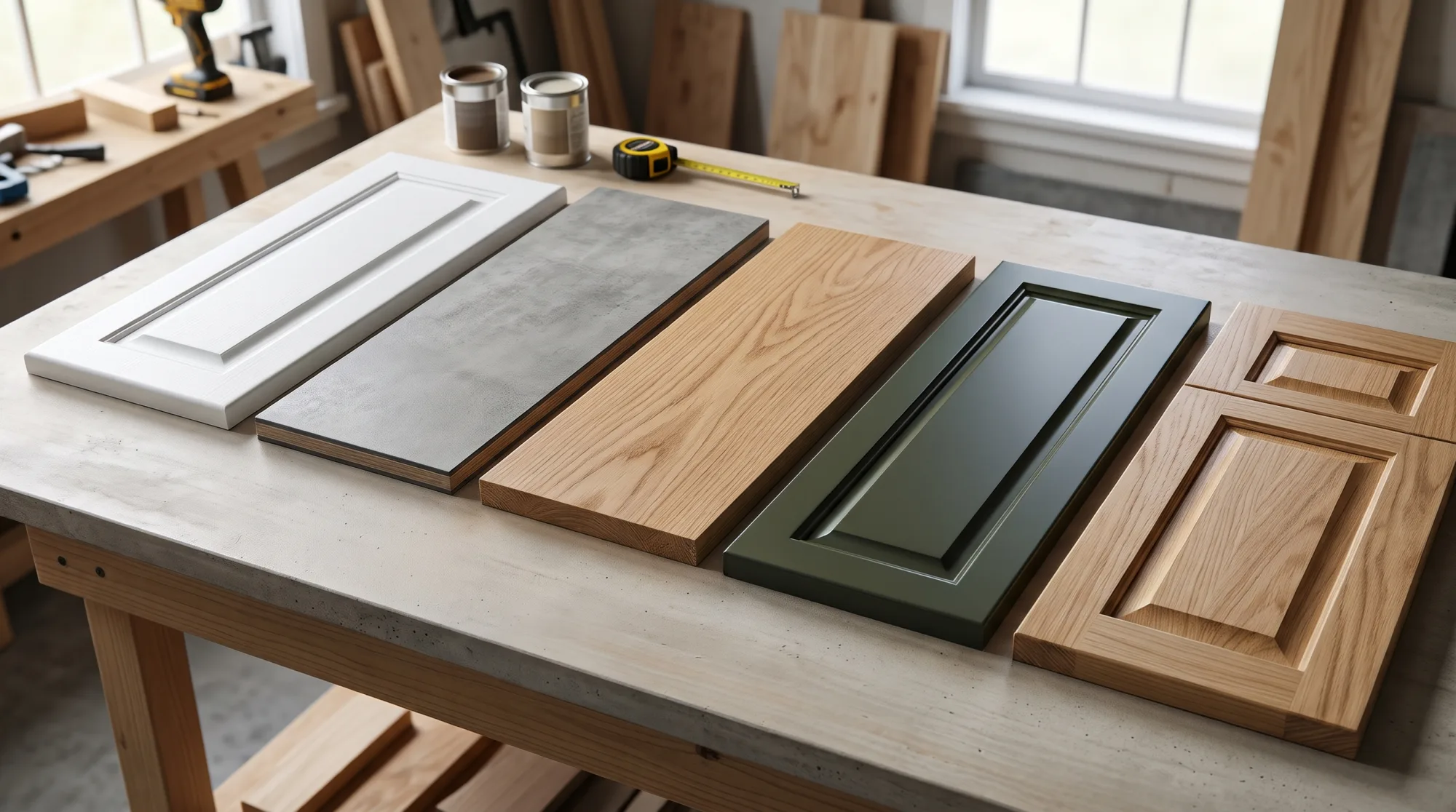
Compare the top kitchen cabinet refacing materials, thermofoil, laminate, veneer, MDF, and solid wood, and see what each offers and where it falls short.