
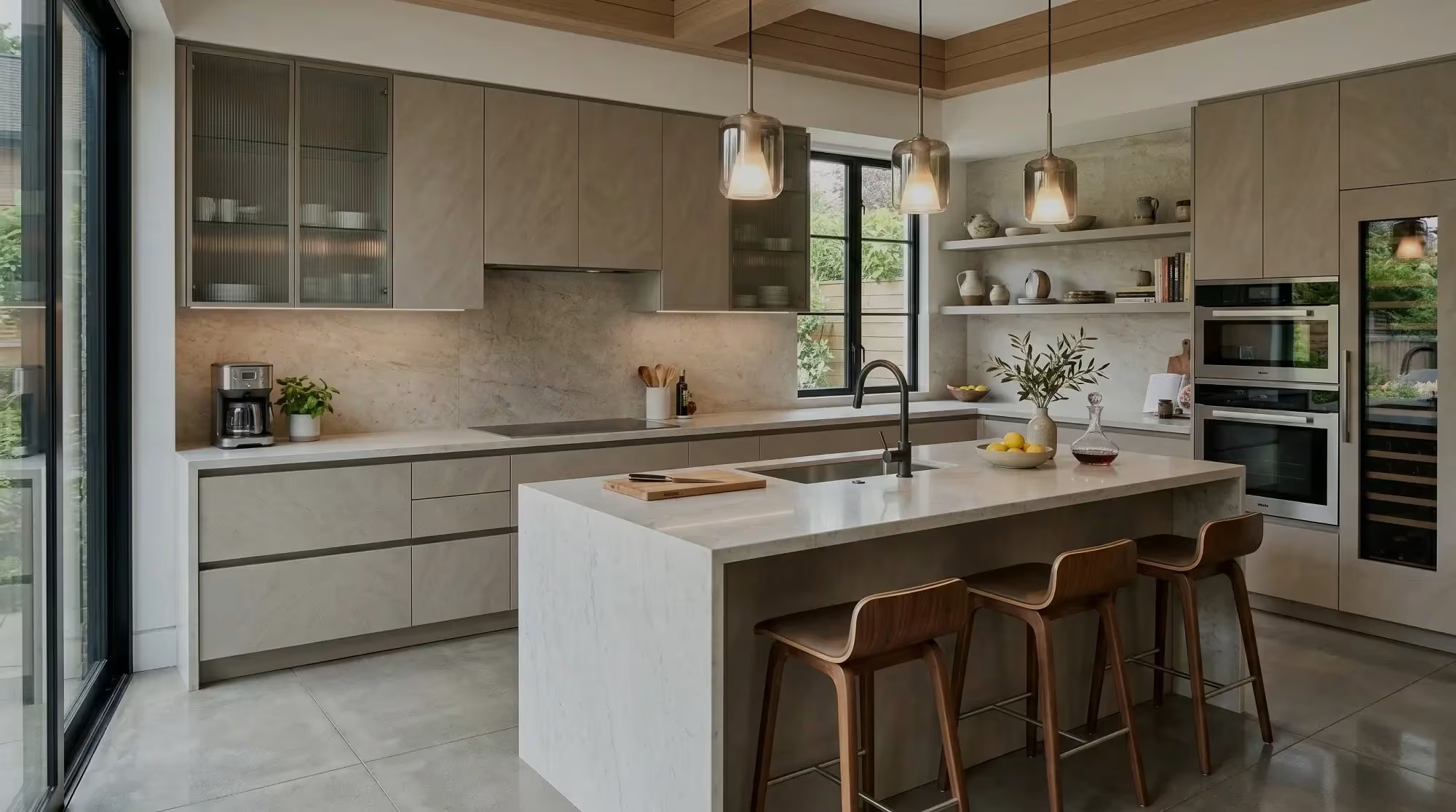
Top Cabinet Refacing Trends for Midwest Homes in 2026
Find fresh cabinet refacing trends for Midwest kitchens in 2026, from warmer colors to smarter layouts, with free estimates and 3–5 day completion.
Published
4/15/2026
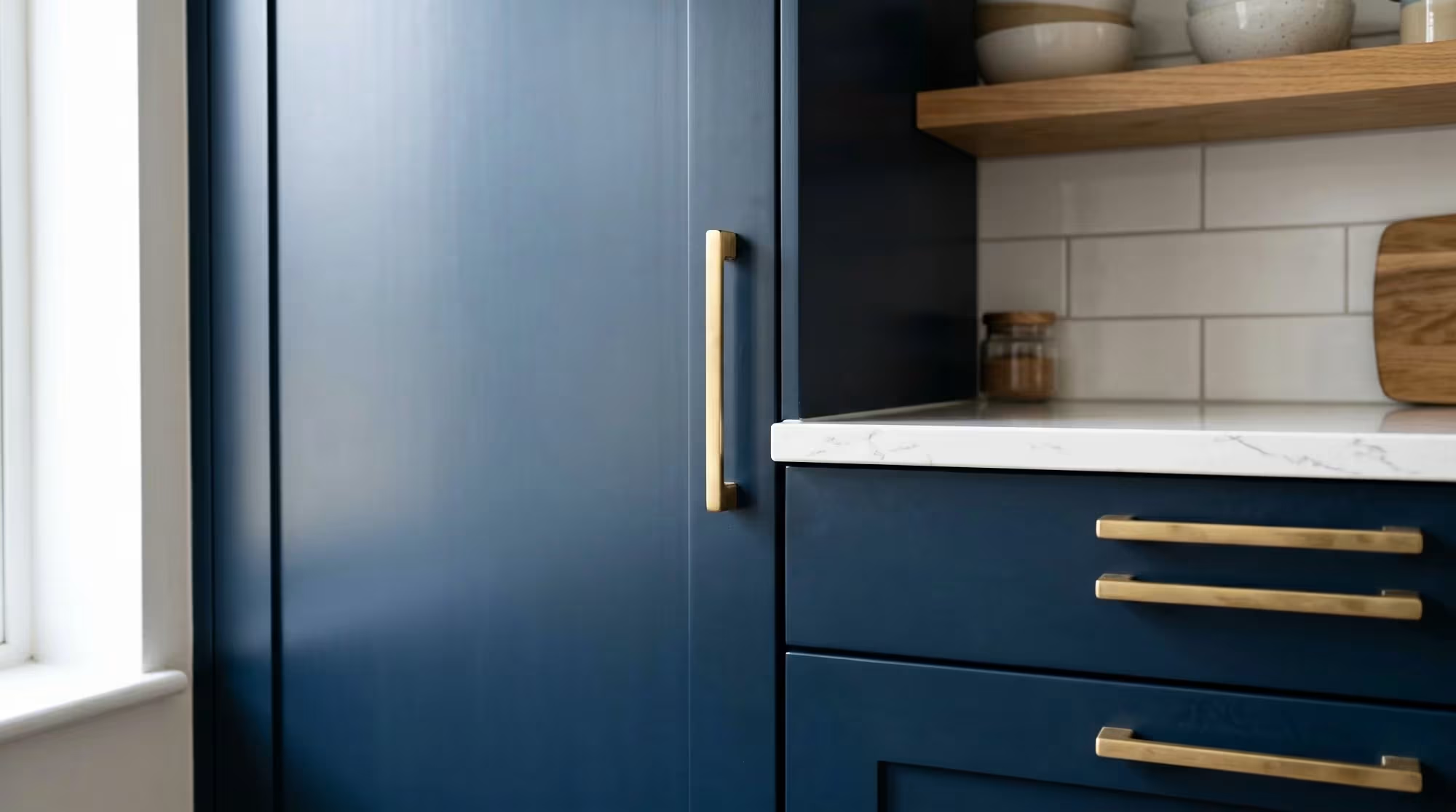


If you’re looking for a way to improve the appearance of your cabinets, consider cabinet refacing. It’s ideal for cabinets with surface wear or outdated styles, provided the underlying structure is sound. However, if the kitchen has structural damage, layout issues, or moisture problems, a surface update may not be enough.
Your kitchen may look dated, worn, or tired without calling for a full replacement. Kitchen Cabinet Guys can review your space if this checklist reflects your situation, and homeowners who want to compare options can learn more about cabinet refacing services before deciding on the next step.
The first question isn’t about color or style. It’s whether the kitchen still functions well enough to justify keeping the existing cabinet layout.
Here are some points to keep in mind when reviewing the layout:
If the majority of those points are true, refacing is a realistic option. However, if you already know that the room needs a new footprint, more cabinets, moved appliances, or broader structural changes, remodeling or replacement may be better options.
The cabinet boxes determine whether refacing is worth pursuing. A new finish can improve appearance, but it cannot correct weak or deteriorating cabinet structure.
Open several cabinets and inspect:
Ideally, you’ll find a structure that stays stable, square, and firm. Cabinets that feel loose, bowed, cracked, soft, or unstable may not be suitable for refacing. This is one of the most important parts of the entire kitchen cabinet checklist because everything else depends on it.
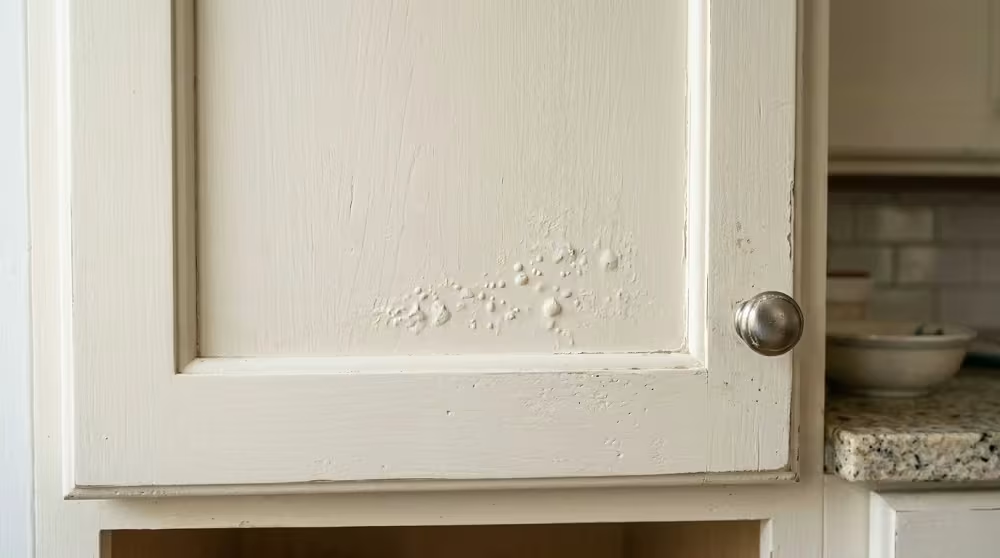
Moisture damage is one of the clearest reasons to pause a refacing project. From the front, cabinets may look acceptable, but in reality, they could have serious deterioration below or behind the visible surfaces.
Check these areas carefully:
Warning signs include:
If water has already damaged the cabinet material, be sure to address this issue before you consider refacing. Surface improvements don’t resolve moisture-related failure.
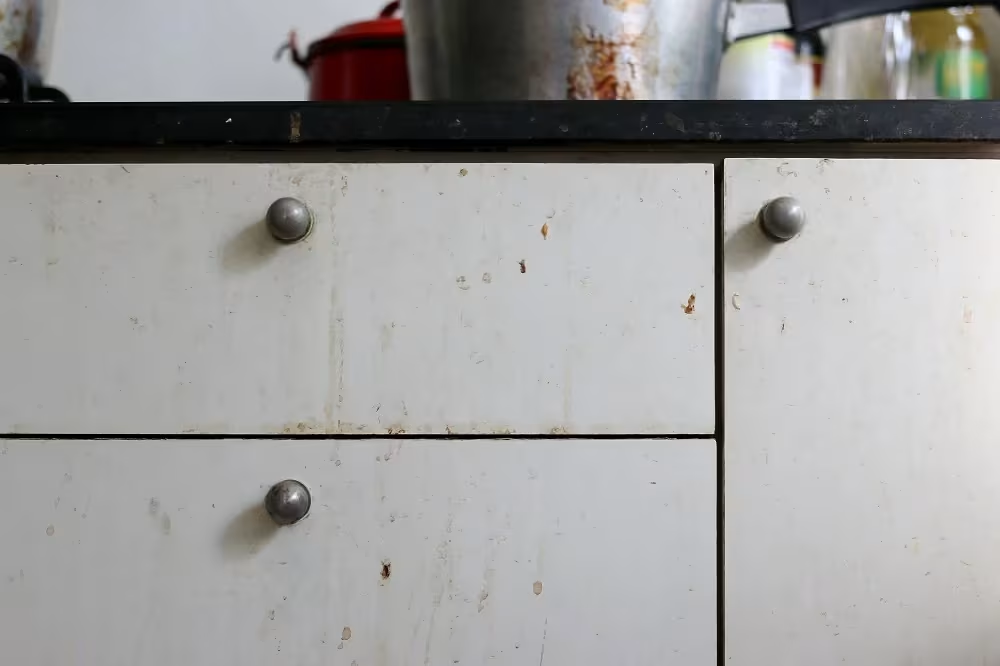
Just because you see visible damage doesn’t mean that the cabinets are unsuitable. Many kitchens have surface wear that is unattractive but still manageable within a refacing project.
Inspect the visible surfaces for:
Surface wear does not automatically eliminate refacing as an option. You’ll need to consider whether the surface is still stable enough to accept new material properly. A worn finish can often be addressed. If your home was built before 1978 and the project disturbs painted surfaces, lead-safe renovation rules may apply.
Kitchen Cabinet Guys is happy to review your kitchen and help you determine whether refacing is a smart option for your space.

Call us now: (800) 809-7197 or
In some projects, the existing doors and drawer fronts may still be used. In others, they may need to be replaced even if the cabinet boxes remain sound.
Review the doors and drawers with these questions:
If the doors and drawer fronts are dated but still stable, they may stay part of the project. If they are breaking down, warped, or significantly damaged, replacement may be necessary even if the cabinet boxes qualify for refacing.
This is where many projects become unclear. Cabinet refacing is a surface and style solution, not a substitute for a full redesign.
Refacing is usually a good fit when the goal is:
Refacing isn’t usually the right fit when the goal is:
Being clear about the scope of change is essential. If the kitchen needs a redesign, refacing likely won’t be the correct answer. If the layout is still useful and the goal is aesthetic improvement, refacing is a suitable choice.
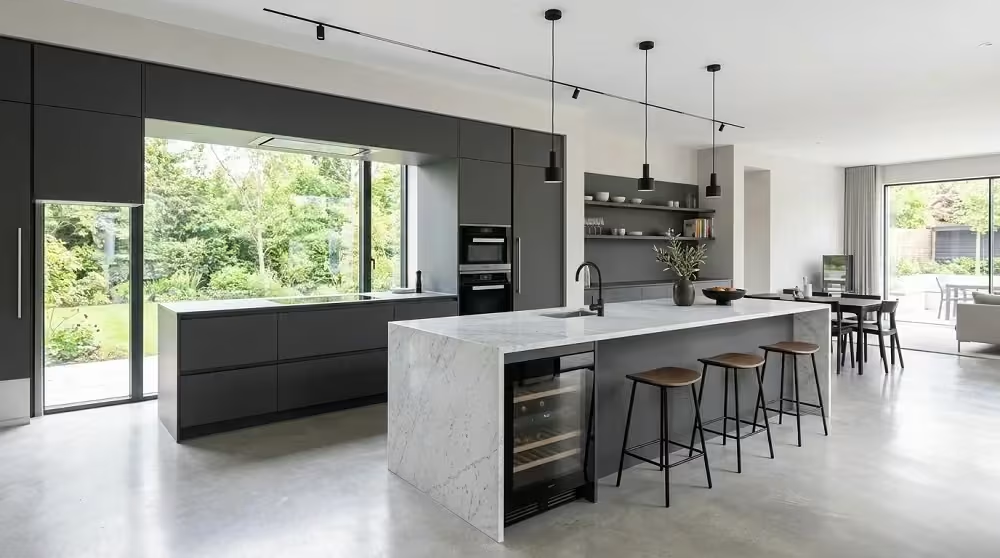
Pricing conversations are more productive when the overall design direction is already clear. Not every detail needs to be finalized, but you should know the general look you want to achieve.
Door style shapes the overall character of the kitchen more than many homeowners expect. A shaker door can feel classic and flexible, while a flat panel or slab door tends to create a cleaner, more modern appearance. Raised panel doors usually lean more traditional and decorative.
The finish you select impacts how light, contrast, and texture work across the room. Some homeowners prefer light tones to keep the kitchen feeling open, while others want darker finishes for more depth and contrast. Woodgrain, solid color, and matte or glossy finishes can each change the mood drastically.
Hardware has a strong effect on the final result, even though it’s often treated as a smaller detail. Minimal hardware can make the kitchen feel cleaner, while more classic or decorative pieces can add a more traditional finish. The right hardware supports the cabinet style rather than competes with it.
Establish a clear visual direction before you make individual choices. Some spaces are meant to feel warm and classic, while others should read as bright, clean, soft, or more contemporary. Defining that overall appearance early helps the finished kitchen feel more consistent.
A shorter summary can make the decision easier. If you want a fast review, use this checklist before moving forward.
Even though this summary isn’t a professional evaluation, it’s still a useful starting point and helps organize the decision more clearly.

An initial review is more useful when you’ve already gathered the basic information. This allows the project discussion to be more detailed.
Try to prepare:
This preparation doesn’t need to be complicated. It simply helps create a more accurate first assessment and makes it easier to identify whether the kitchen is a strong candidate for refacing.
Your kitchen doesn’t need to be perfect to qualify for refacing. It does, however, need a stable structure, a workable layout, and damage that is mostly limited to the visible parts of the cabinetry.
Kitchen Cabinet Guys provides free consultations, free estimates, virtual estimates, financing options, and an in-home consultation process for homeowners evaluating cabinet refacing projects. If you want a more specific opinion on whether your kitchen is a good candidate, contact us for a closer review.

Kitchen Cabinet Guys can review your layout, cabinet condition, and surfaces to see whether refacing makes sense.
Call us now: (800) 809-7197 or
Find fresh cabinet refacing trends for Midwest kitchens in 2026, from warmer colors to smarter layouts, with free estimates and 3–5 day completion.
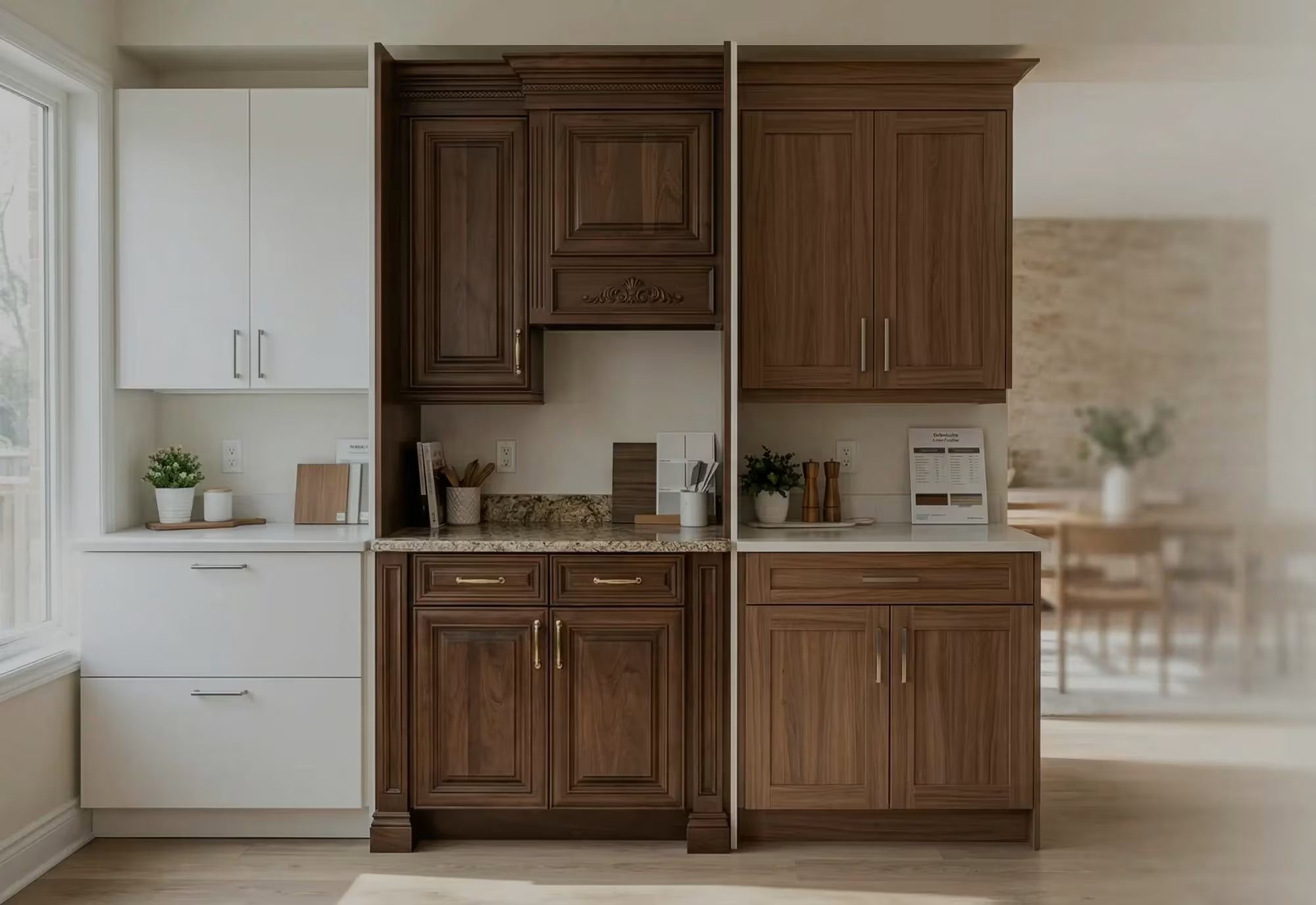
IKEA Kitchen Cabinets vs. Custom Cabinets vs. Cabinet Refacing compared. Kitchen Cabinet Guys helps you choose the best option — contact us today!
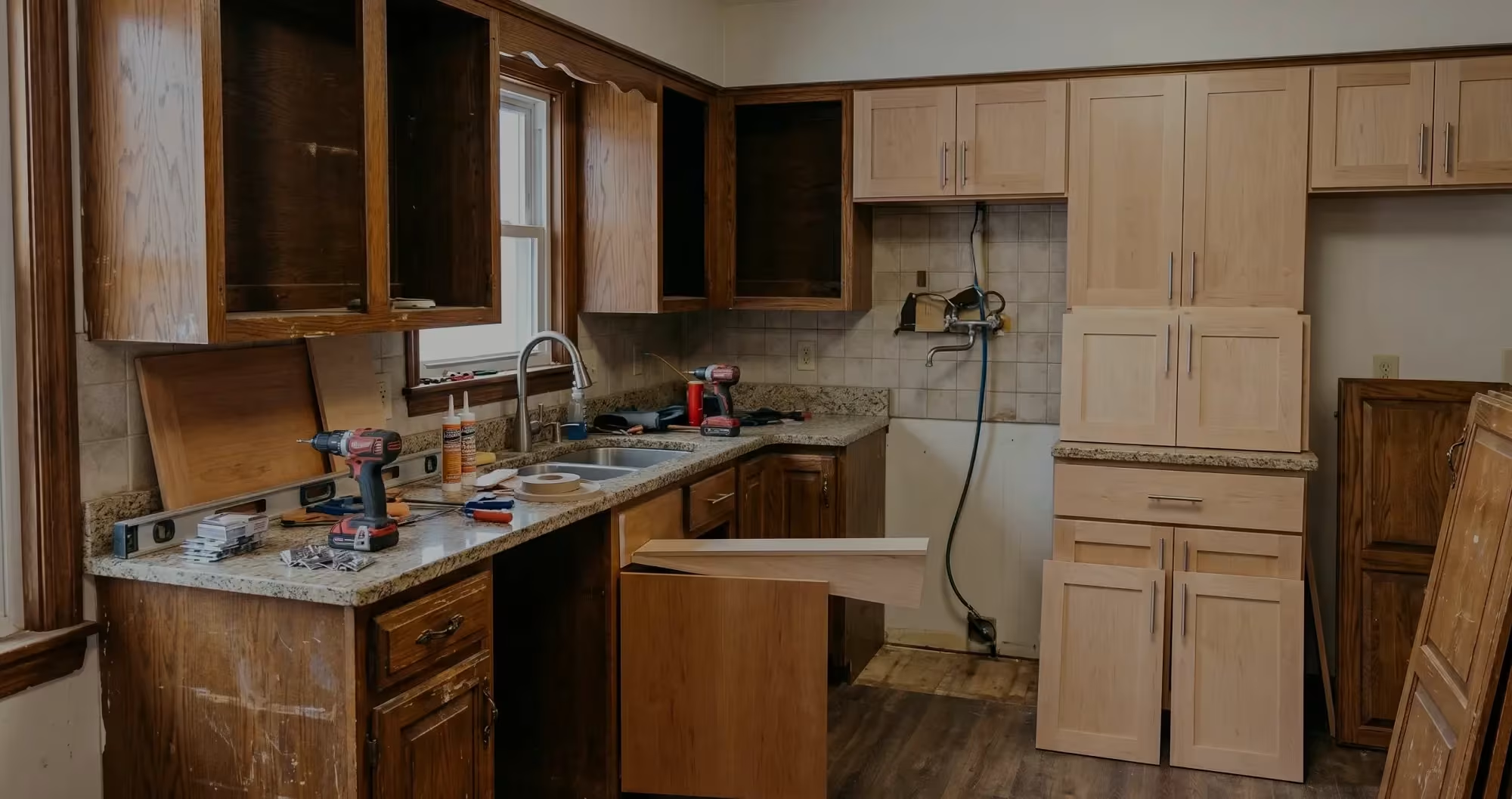
Transform old kitchen cabinets without full replacement. Cabinet refacing replaces doors, finishes, and hardware in 3 to 5 days. Free estimate.