
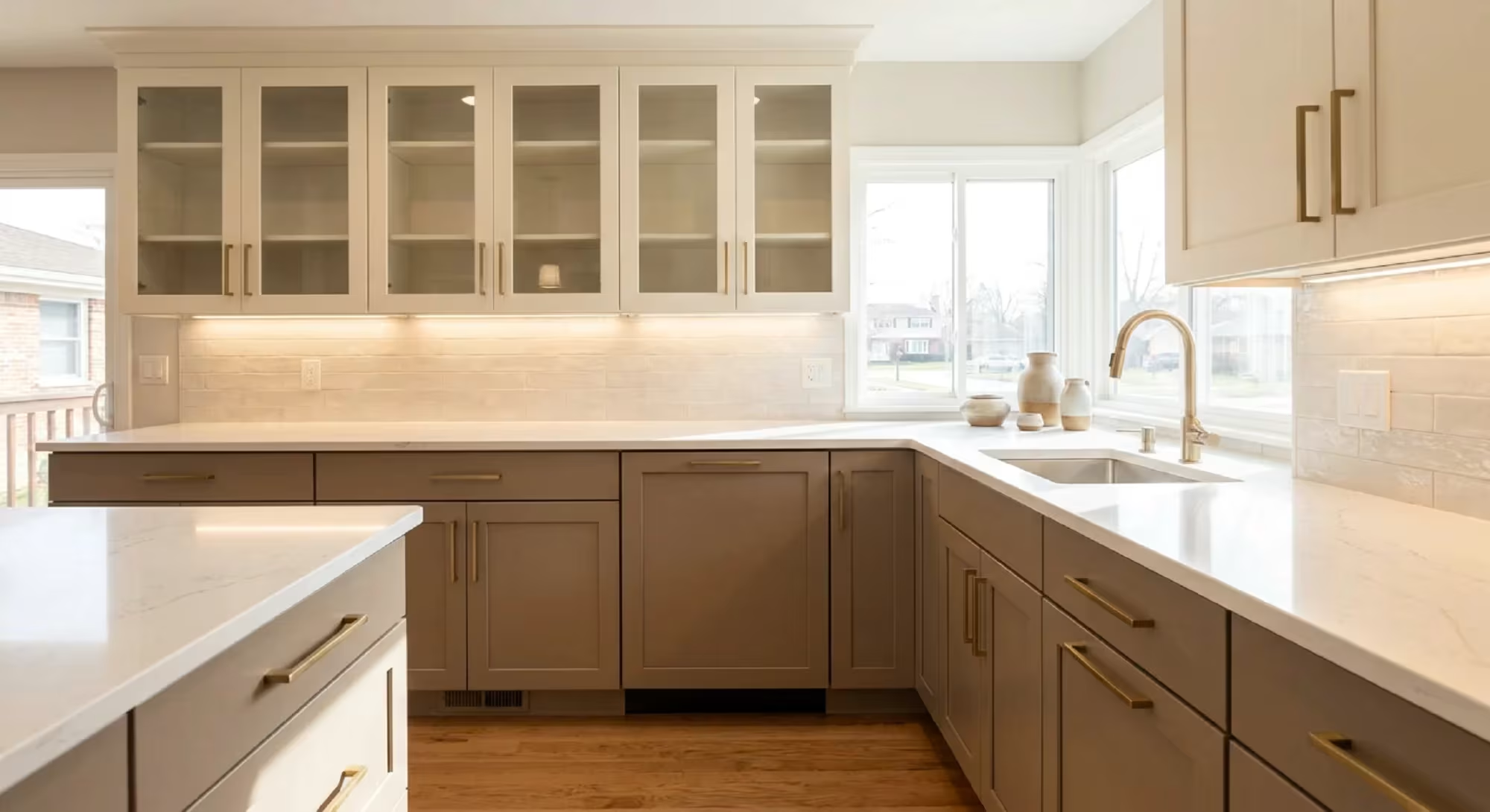
Top Budget-Friendly Cabinet Refacing Ideas Under $10,000
Cabinet refacing runs $4,000–$9,000 vs. $12,000–$35,000 for replacement. Compare DIY and pro options to find the cheapest way to refresh your cabinets.
Published
7/7/2026
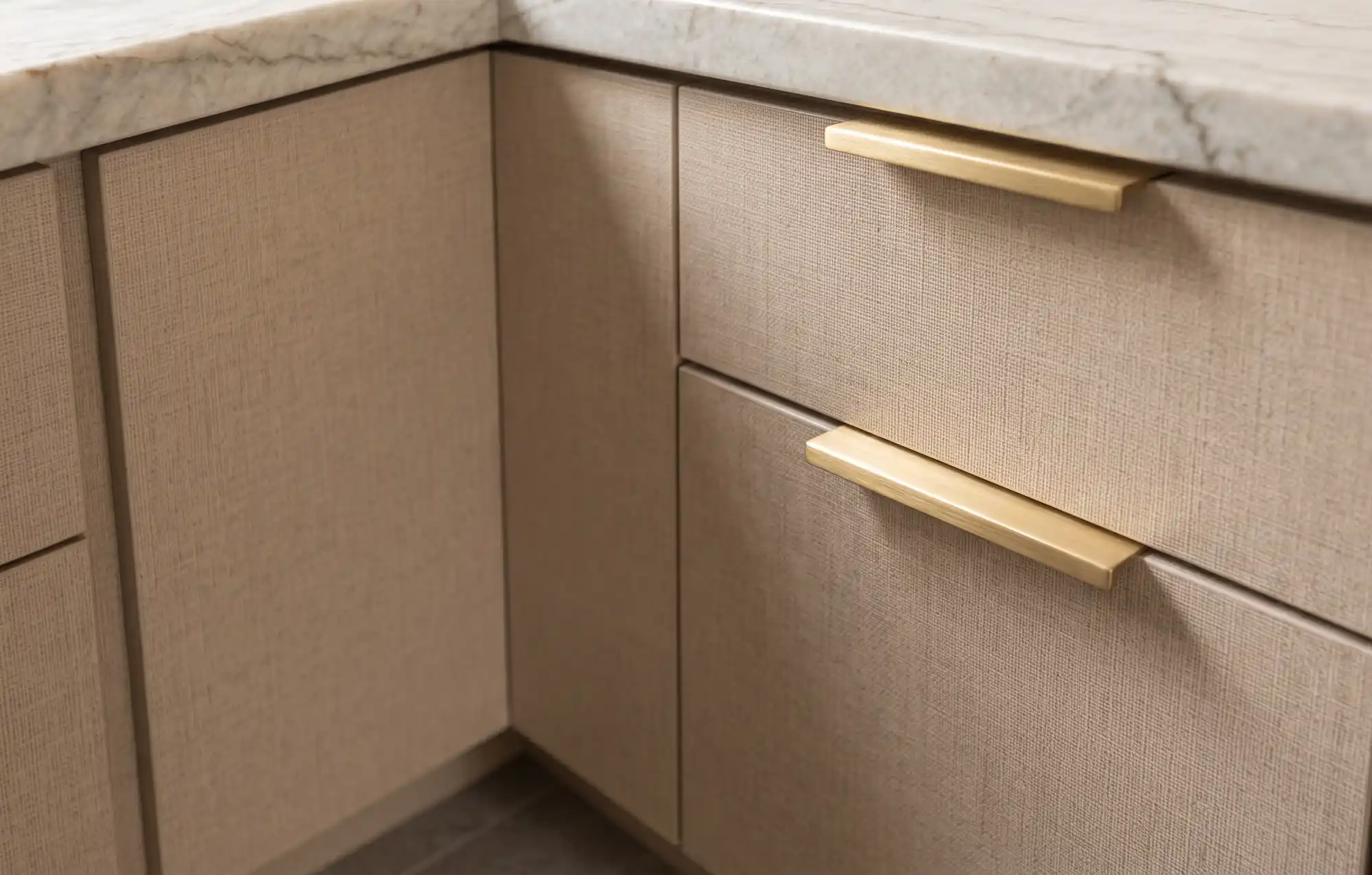


A dated kitchen takes away from what your home can earn, whether you list it next quarter or hand the keys to a tenant. Cabinet refacing returns most of its cost in either scenario, but the ROI math differs. This research lays the numbers out side by side so the choice is grounded in data.
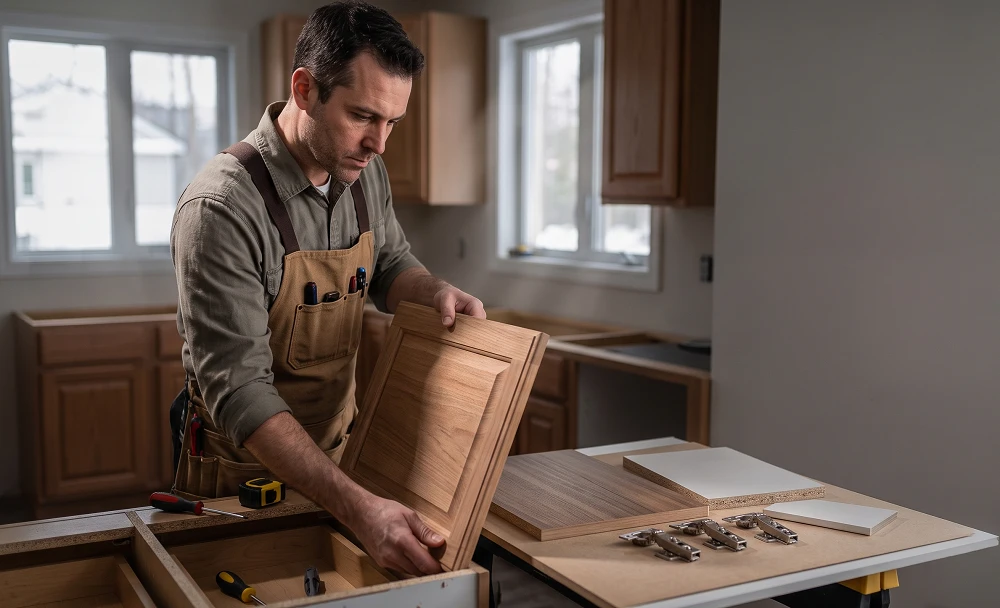
Professional cabinet refacing costs anywhere from $4,000 to $13,500 nationally in 2026, with most projects averaging around $7,000 to $8,500. The per-linear-foot range falls between $100 and $450, depending on material selection.
Material choice is the largest variable. Laminate and thermofoil sit at the low end, between $80 and $160 per linear foot, while wood veneers run $100 to $350 per linear foot. Solid wood doors push the figure to $200 to $500 per linear foot.
For comparison, full cabinet replacement averages $8,000 to $15,000 for the same kitchen, and homeowners who reface instead of replace typically save 30 percent to 70 percent. Minor kitchen remodels that include refacing sit at the top of the home-improvement ROI list nationally.
That baseline matters because the resale and rental cases pull in different directions once the work is complete. The seller is focused on one transaction, and the landlord is focused on monthly cash flow over years.
Sellers benefit from cabinet refacing in two ways: a higher offer price and a faster time on the market. Our 2026 analysis places minor kitchen remodels at an average ROI of 96 percent nationally, climbing to 107 to 113 percent in high-demand metros. Among common kitchen improvements, cabinet refacing offers one of the strongest returns on investment at about 72 percent, edging out new appliances (71 percent) and countertop upgrades (68 percent). In Southern California and similar markets, refacing-inclusive minor remodels recoup over 90 percent of cost; Northern Virginia and slower regional markets sit closer to 75 to 80 percent.
Beyond the headline percentages, refacing reduces time on market, lowers inspection concessions, and makes the appraiser more likely to credit an updated kitchen during valuation. None of these are direct cash returns, but each narrows the gap between list price and closing price.
A refaced kitchen helps the home present well during showings and reduces buyer concerns at inspection. Get a free refacing estimate from Kitchen Cabinet Guys to see how the numbers work for your property.

Call us now: (800) 809-7197 or
Landlords measure ROI monthly, not at sale. Instead of focusing only on upfront cost, consider how much the kitchen increases rent, how quickly it helps fill vacancies, and how well the upgrades withstand tenant turnover.
Refaced kitchens with updated hardware and new counters typically command rent premiums of $50 to $200 per month, or 3 to 15 percent above pre-renovation rates. Updated kitchens tend to attract more renter interest, helping units lease faster. They can also encourage tenants to stay longer, reducing turnover costs year after year.
The formula is direct: (annual rent increase ÷ renovation cost) × 100. A $6,000 refacing project that adds $100 to monthly rent returns $1,200 a year, or 20 percent ROI annually, and pays for itself in roughly five years. At a $50 premium, the payback stretches to 10 years; at $200, it shortens to two and a half. Refaced rental cabinets also recoup up to 83 percent of the cost at eventual sale, so the project performs as both an income lever and a resale asset.

Three operational factors make refacing a stronger fit for income properties. The 2-5 day install drops cleanly into a standard turnover. The cabinet boxes stay in place, so no permits, no plumbing moves, and no appliance repositioning are needed. Durable 3D laminate and rigid thermofoil in neutral white, gray, or warm off-white tones hold up to tenant use far longer than painted finishes that chip within a year.
The decision becomes clearer when both cases are placed on the same table. Below, the numbers summarize the 2026 cost and return data covered in this research.
The two columns rarely overlap perfectly. A seller chooses materials for the buyer pool. A landlord chooses materials for the tenant cycle. Both benefit from the same underlying service, but the execution detail is where the strategies separate.
Cabinet refacing makes sense when your existing cabinets are in good condition and you want a noticeable style update without replacing the entire system. The strongest cases sit in two very different timelines: the short window before a listing goes live, and the short turnover between tenants.
When the layout already works and only the visible surfaces look dated, refacing matches a full replacement at the appraisal but finishes in 2-5 days instead of three to six weeks. That timing matters when a listing date or contingency clock is fixed. Refacing falls short only when the layout itself no longer fits buyer expectations (a closed-off galley in an open-concept neighborhood) or when the cabinet boxes are warped or water-damaged, where the issue shows up at inspection.
The rental case turns on three constraints, and refacing wins on all three: the cost produces a measurable rent premium within months, the 2-5-day install fits a standard turnover, and 3D laminate and rigid thermofoil hold up to tenant wear in a way paint cannot. Across a portfolio, a standard refacing package also keeps finishes consistent between units, which simplifies rent pricing and repair-call matching.
Refacing may not be enough in markets where renters expect features like quartz countertops and stainless steel appliances. Adding one of these upgrades alongside refacing can help create the finished look tenants are willing to pay more for.
Kitchen Cabinet Guys works with homeowners, sellers, and rental property owners across Chicagoland. We can review one kitchen or several and provide consistent pricing across units.
Call us now: (800) 809-7197 or
One outside variable affects both groups in 2026. Federal tariffs imposed in late 2025 add 25 percent to imported kitchen cabinets and vanities, with a scheduled increase to 50 percent in January 2027. This shifts the math toward refacing for both sellers and landlords because full cabinet replacement costs have moved upward while the cabinet boxes already on the wall remain unaffected. Cabinet refacing keeps the existing cabinet boxes and updates only the visible elements, such as doors, drawer fronts, and laminate surfaces. That means fewer imported materials are needed, which can significantly reduce tariff-related cost impacts compared with a full replacement.
Domestic refacing materials, including the 3D laminate and rigid thermofoil produced by US manufacturers, sit largely outside the tariff structure. That insulation gives refacing a cost stability that full replacement no longer offers in 2026.
Cabinet refacing delivers strong returns for both sale and rental scenarios, but material, color, and timing should match the use case: sellers choose for the buyer pool and listing window, landlords for tenant durability and turnover speed. Kitchen Cabinet Guys handles refacing across both, using 3D laminate, rigid thermofoil, and vacuum-press installation; contact us for a free estimate on a single home, a rental unit, or a multi-property portfolio.

Kitchen Cabinet Guys can review your kitchen and outline a refacing plan that fits your timeline, budget, and resale or rental goals.
Call us now: (800) 809-7197 or
Cabinet refacing runs $4,000–$9,000 vs. $12,000–$35,000 for replacement. Compare DIY and pro options to find the cheapest way to refresh your cabinets.
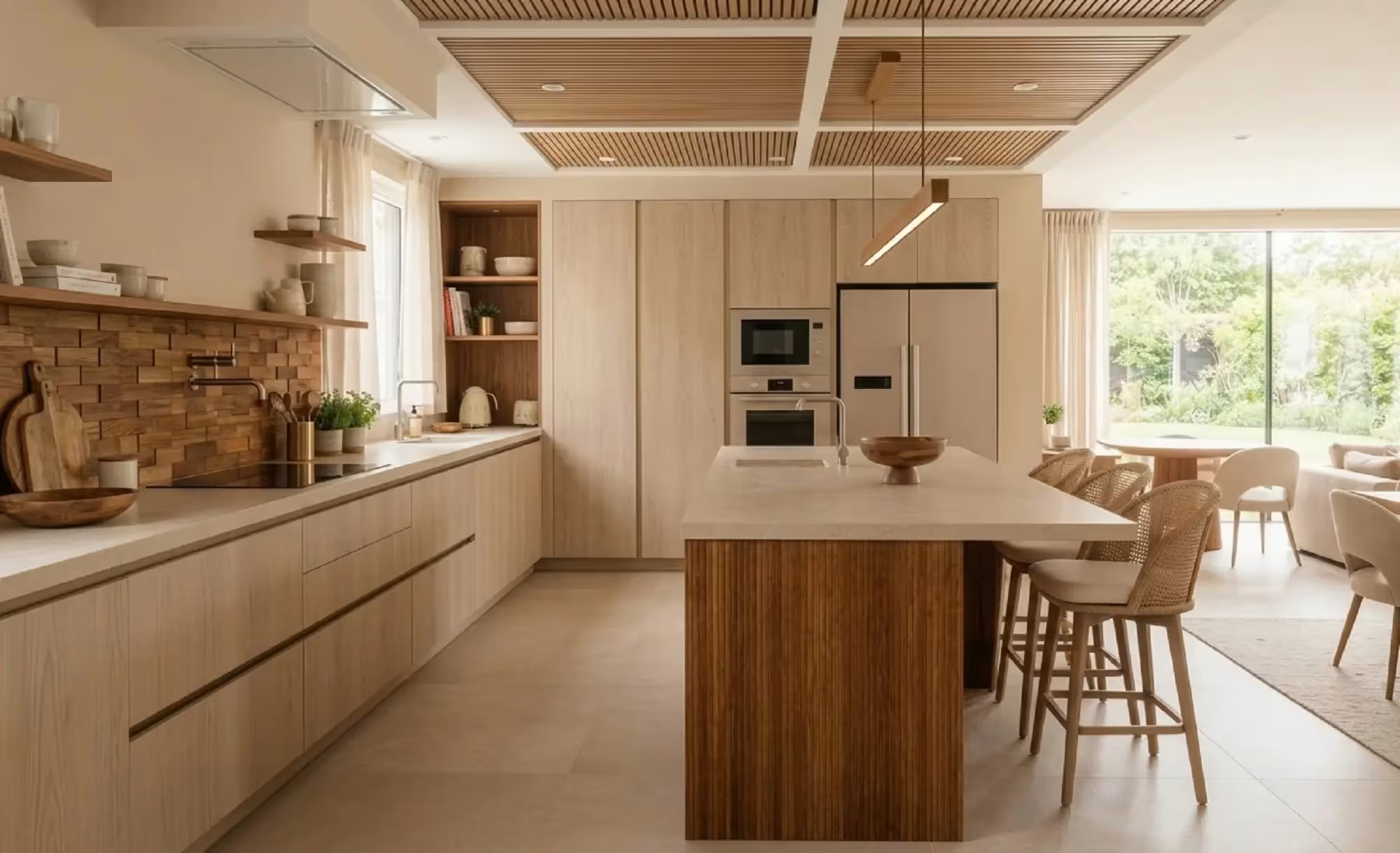
Cabinet refacing costs $4,000–$9,000. See how long it takes to pay off through daily use, avoided replacement costs, and resale impact.
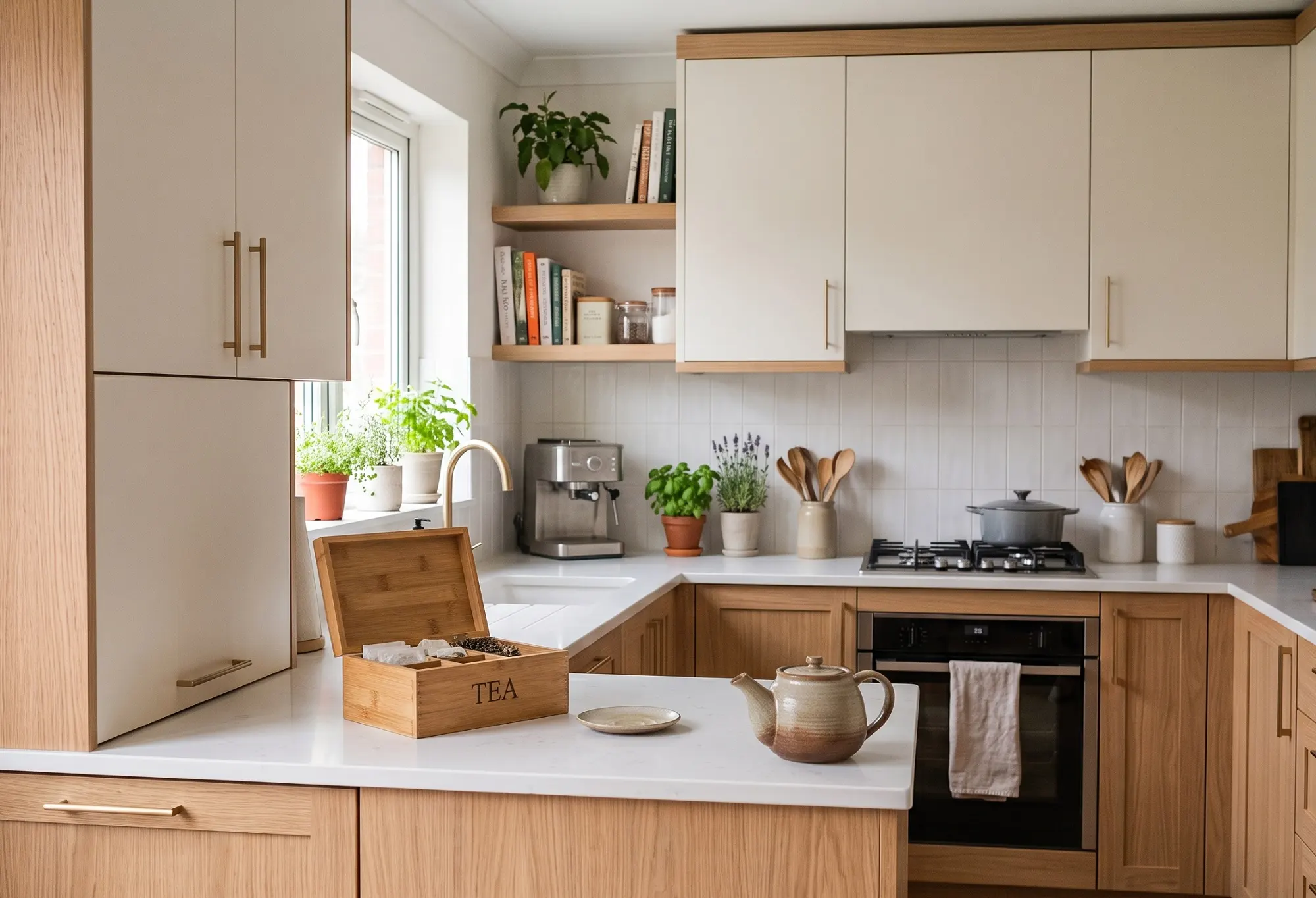
Best cabinet refacing options for small kitchens. Door styles, colors, and upgrades that make compact spaces feel larger. 3-5 days, 200+ designs.