
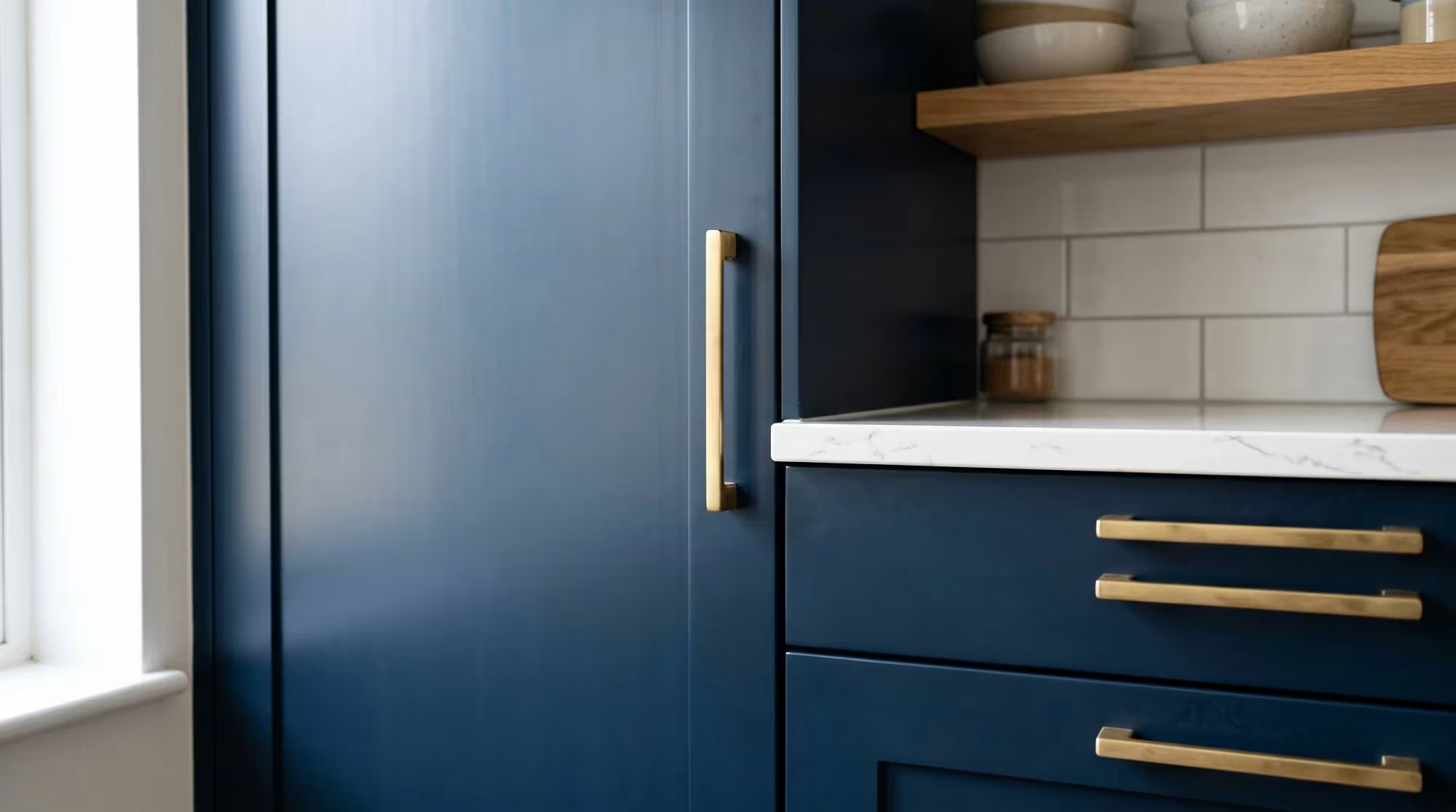
Cabinet Refacing: A Quick Eligibility Checklist
Use this quick checklist to see if your kitchen is a good fit for refacing. Free consultation, financing, 5-year warranty, 3-5 day turnaround.
Published
4/23/2026
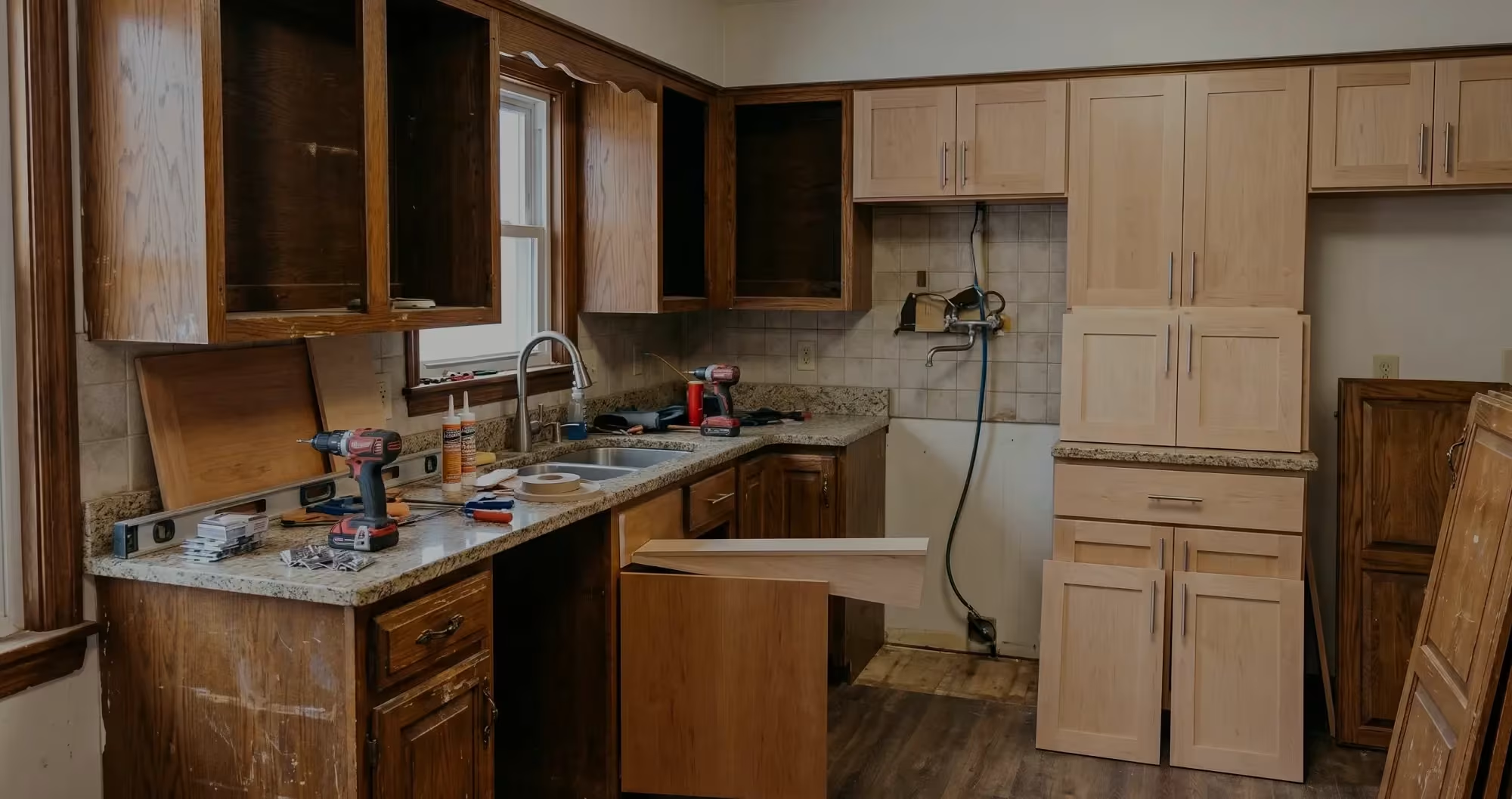


Outdated kitchen cabinets can drag down a room that otherwise functions well. Worn doors, faded finishes, and dated hardware make the whole kitchen feel tired, but full replacement pushes costs above $12,000 and makes the space unusable for weeks.
Cabinet refacing offers a different path: the existing cabinet boxes stay in place, and every visible surface receives new material in the style and color you want. Kitchen Cabinet Guys handles this process across Chicagoland using 3D laminate and vacuum-press technology.
Cabinet refacing keeps the existing cabinet boxes in place and changes every visible surface. The project covers four main areas:
Homeowners pick refacing when cabinet boxes are still solid, and the layout still works, but the visible parts of the kitchen feel dated. Full replacement removes cabinet structures that may still be perfectly sound, while painting only changes the color without addressing issues like peeling laminate, chipped edges, or outdated door profiles.
Refacing addresses look, materials, and hardware in one project, and the kitchen keeps its plumbing and appliances exactly where they are. For a deeper background, see our guide to what cabinet refacing is.
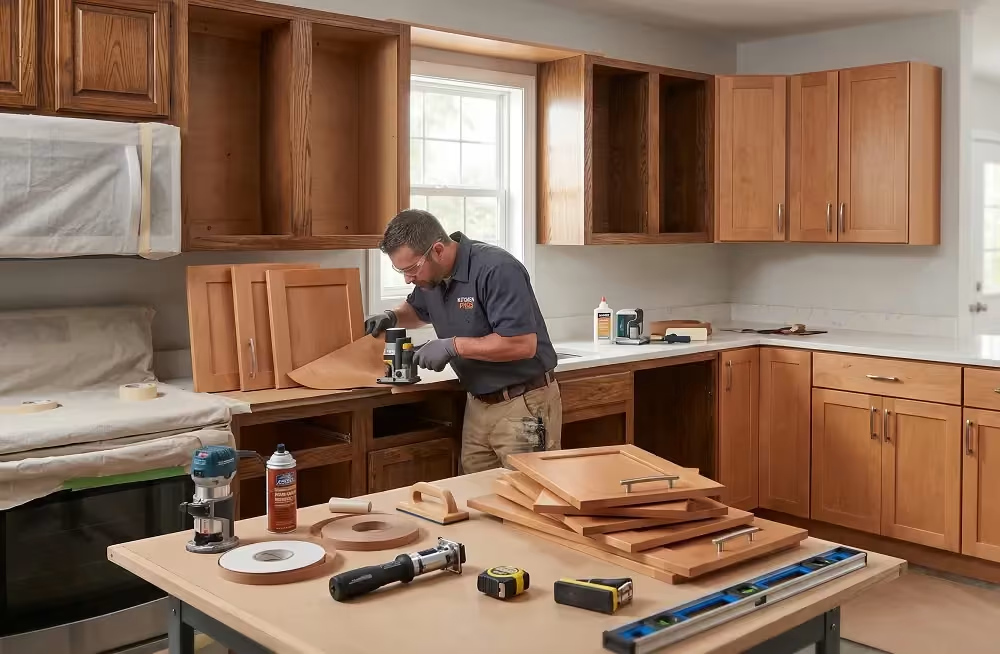
The transformation requires a careful approach. Each step prepares the next, and skipping any stage weakens adhesion, alignment, or finish quality.
Our team reviews the cabinet boxes, face frames, hinges, drawer fronts, and exposed surfaces, then takes measurements for every door, drawer front, and end panel. During this stage, we confirm the structure is sound, and the kitchen is ideal for refacing.
We produce new doors and drawer fronts at our West Chicago facility. CNC machines cut MDF to the requested profile (shaker, slab, raised panel, or custom). The surface is prepped, adhesive is applied, and 3D laminate is bonded through a vacuum-press machine. Heat and pressure fuse the finish to the substrate, producing a rigid thermofoil door that resists chips, bubbles, and peeling.
While doors are produced at the facility, another part of the team works in the kitchen. Old finishes are removed from face frames, side panels, and exposed cabinet box surfaces. Surfaces are cleaned and prepped, adhesive is applied, and the same finish material used on the new doors is applied to the cabinet boxes, keeping color and texture consistent across every visible part of the kitchen.
Then, new doors and drawer fronts are mounted onto the refaced boxes. Hardware, hinges, and pulls are installed to fit the new style, and every door and drawer is aligned for smooth operation. At this stage, crown molding or trim can be added. A final inspection confirms fit and finish before we return the kitchen to the homeowner. We finish most Chicagoland projects in 3 to 5 business days.
Send photos for a virtual estimate, or schedule an in-home consultation.

Call us now: (800) 809-7197 or
The visual change in a refacing project comes down to the finish material. 3D laminate, also called rigid thermofoil, is a vinyl surface heat-formed onto an MDF substrate using a vacuum press. This process bonds the finish directly to the door, including around profiled edges, creating a smooth, seamless surface with no visible joints.
The result is a continuous surface that resists scratches and daily wear better than paint and many wood veneers, and cleaning stays straightforward because the finish is sealed rather than absorbent.
Style options include over 200 colors and textures, including realistic woodgrains, solid matte colors, high-gloss finishes, and stone-look surfaces. Old oak cabinets can read as flat-panel white, raised-panel maple can become a slab walnut, or builder-grade laminate can shift into a modern gray shaker. For homeowners weighing surface character, our guide on matte vs. gloss kitchen cabinets covers how each finish behaves.
Not every kitchen is a refacing candidate, so a quick review of the cabinet boxes and visible damage helps determine whether the project will hold up over time.
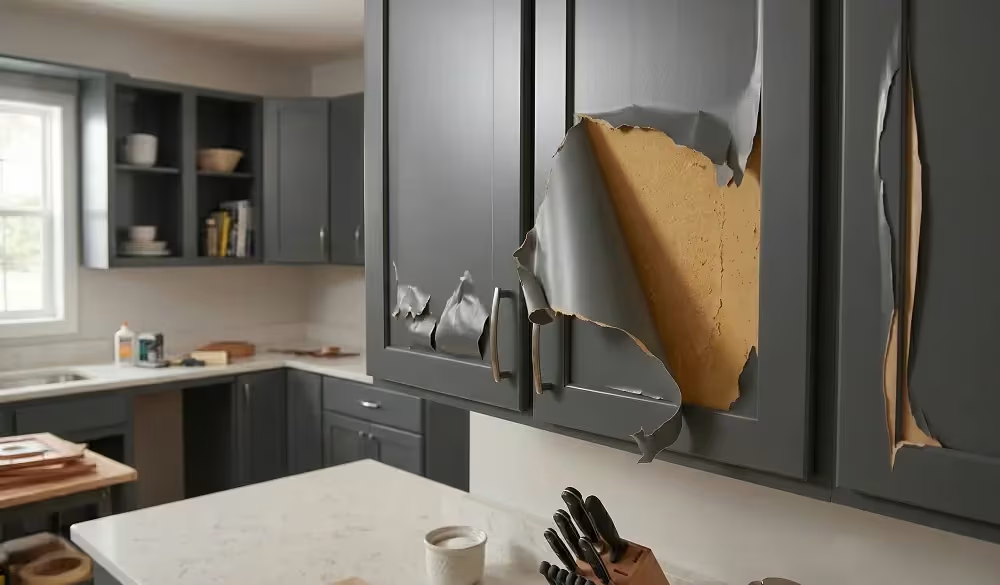
Refacing is an option when the cabinet boxes are stable, the layout still serves the kitchen, and the wear is concentrated on doors and visible surfaces. Common qualifying conditions include:
Builder-grade oak from the 1980s and 1990s, painted cabinets worn at the corners, and white laminate with yellowed surfaces are all frequent refacing projects. At Kitchen Cabinet Guys, we accept MDF, particleboard, plywood, and solid wood cabinet boxes.
Some kitchens are better served by replacement. Refacing won’t resolve:
For a detailed walk-through, see our cabinet refacing eligibility checklist.
Painting applies a new color to existing doors without changing style, texture, or material. Refacing replaces the doors and drawer fronts, applies new finish material to the cabinet boxes, and updates the hardware. Full replacement removes all cabinetry and installs new boxes, doors, drawer fronts, and hardware. The refacing vs. painting decision usually comes down to two things: durability and the depth of change.
Cost ranges reflect a standard 10x12 kitchen with roughly 20 linear feet of cabinetry, but keep in mind that final pricing varies by cabinet count, material, hardware, and any specialty features. For more on price drivers, see how much cabinet refacing costs.
Refacing is suitable for a wide range of visual goals. The most common transformations across Chicagoland kitchens include:
With normal use and basic care, refaced cabinets typically last 15-20 years. The cabinet boxes often outlast that, since they were stable enough to qualify for refacing. The finish material is the wear point, and the 3D laminate bonded through vacuum press handles daily kitchen conditions without chipping, peeling, or fading. Care for refaced cabinets is straightforward:
Send photos of your current kitchen for a virtual estimate, or book an in-home consultation.
Call us now: (800) 809-7197 or
Cabinet refacing transforms outdated kitchens when the cabinet boxes are sound, the layout still works, and the goal is a major visual change rather than a full redesign. New doors, drawer fronts, integrated cabinet box finishes, and updated hardware produce a kitchen that reads as new, lasts for 15 to 20 years, and costs significantly less than full replacement. Contact Kitchen Cabinet Guys for a free, no-obligation review of your kitchen.

Kitchen Cabinet Guys reviews your cabinet condition, layout, and finish goals to confirm whether refacing works for your kitchen.
Call us now: (800) 809-7197 or
Use this quick checklist to see if your kitchen is a good fit for refacing. Free consultation, financing, 5-year warranty, 3-5 day turnaround.
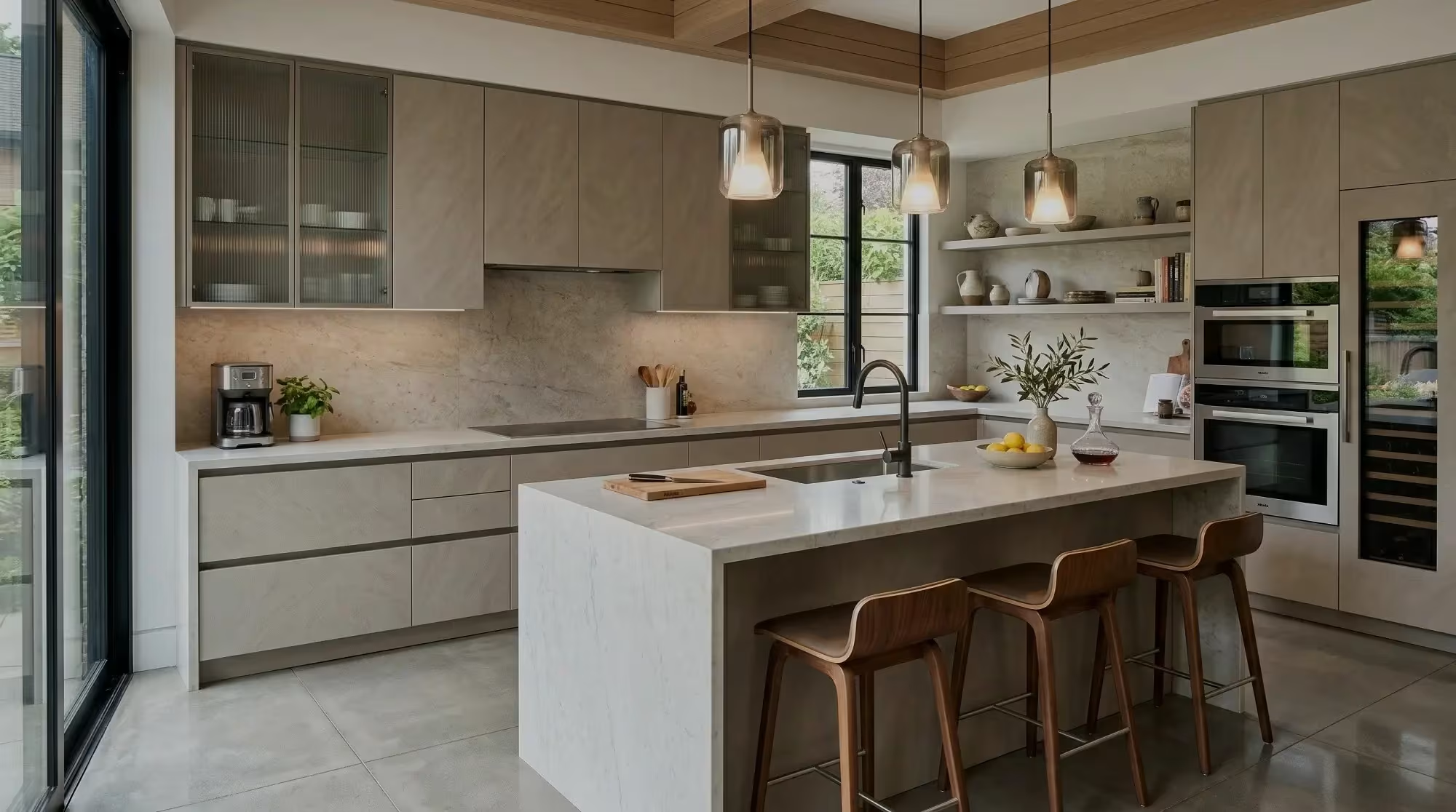
Find fresh cabinet refacing trends for Midwest kitchens in 2026, from warmer colors to smarter layouts, with free estimates and 3–5 day completion.
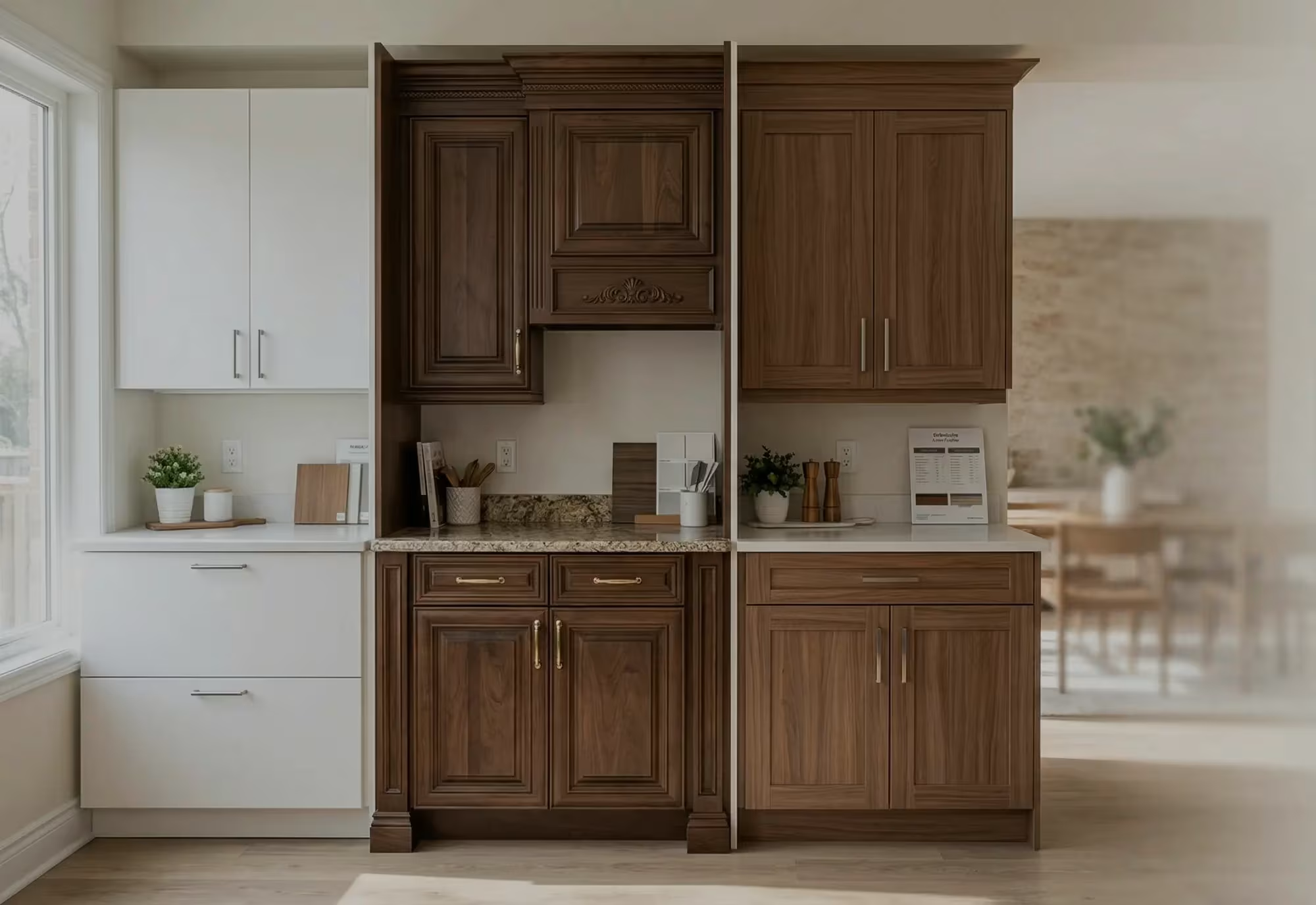
IKEA Kitchen Cabinets vs. Custom Cabinets vs. Cabinet Refacing compared. Kitchen Cabinet Guys helps you choose the best option — contact us today!