

Top Signs It’s Time to Reface Kitchen Cabinets in Chicagoland
Learn the exact signs to reface kitchen cabinets in Chicagoland, compare real pricing and timelines, and schedule a free consultation today.
Published
10/30/2026
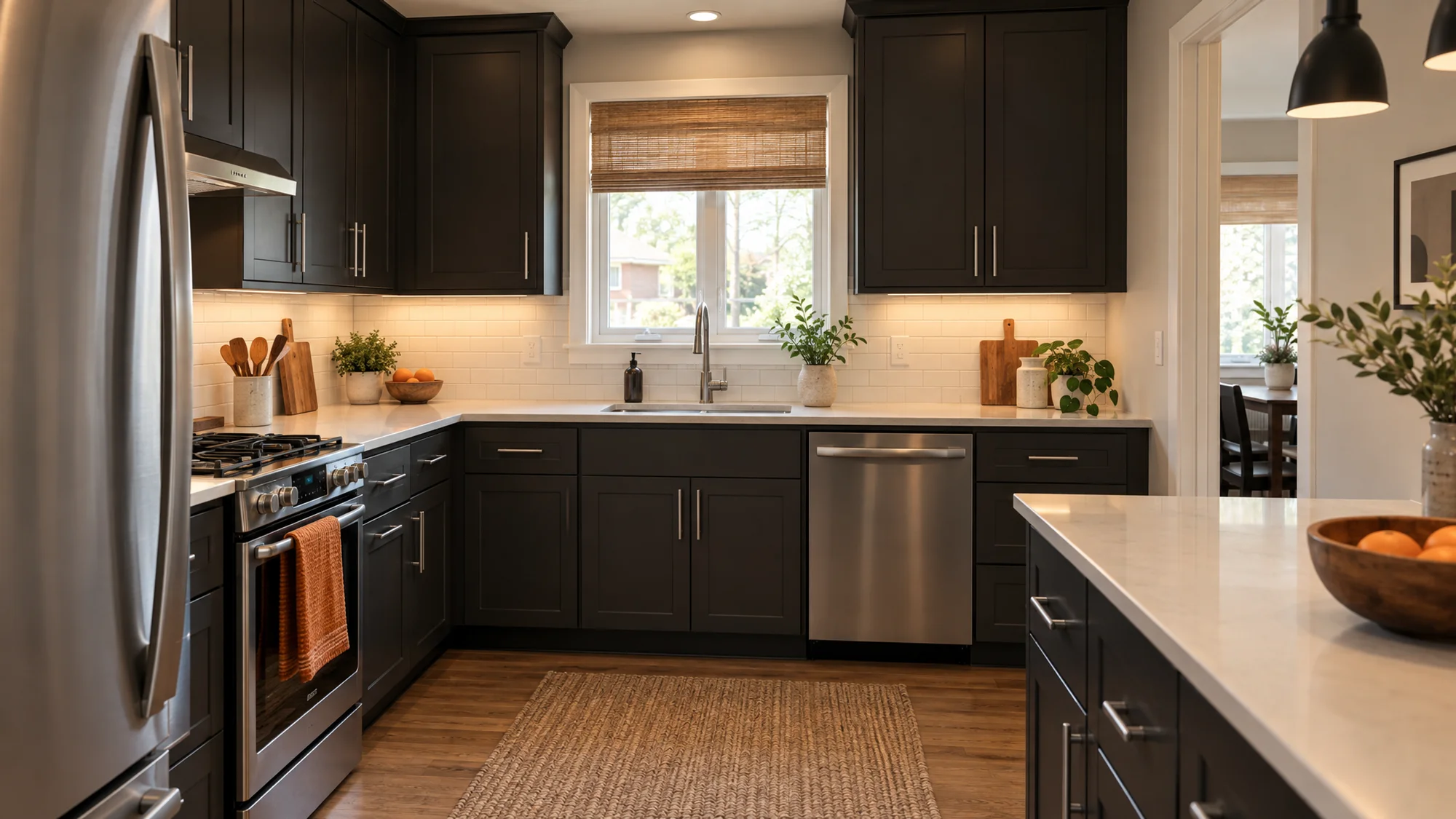


A small kitchen in a Lakeview courtyard building, a Logan Square two-flat, or a Streeterville high-rise rarely has room for error. The cabinets look tired, the doors have started to peel, and the layout already feels tight. A full gut remodel might seem like the obvious solution, but that can change quickly when you see the estimates and realize the project could take months to complete. That gap between what a small kitchen needs and what a full renovation demands is exactly where cabinet refacing earns its place.
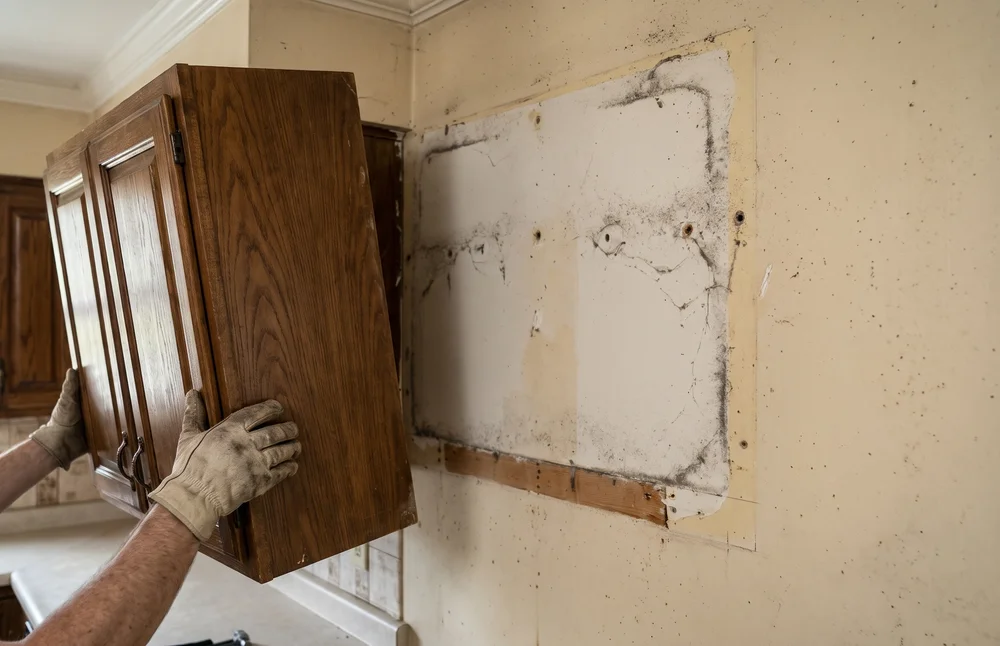
Chicago's housing stock wasn’t built around modern cabinet standards. Pre-war courtyard condos, brick two-flats, and classic bungalows were framed with kitchens sized to fit alcoves, chimney bump-outs, and load-bearing walls, not the 3-inch modular spacing that stock cabinets are built to. Original cabinet boxes were often scribed directly to uneven plaster walls by trim carpenters. As a result, standard replacement cabinets can leave gaps, require filler strips, or create uneven reveals when installed in the same place.
Tearing out those original boxes carries its own risk. Vintage plaster is brittle, and demolition around cabinetry anchored into the wall can crack large sections of it, exposing old framing, outdated chimneys, or plumbing that was never meant to be disturbed.
A full gut renovation also brings a Chicago-specific electrical requirement into play. Title 14E of the Chicago Municipal Code, the Chicago Electrical Code, limits nonmetallic-sheathed (NM) cable to temporary wiring and limited extensions of existing knob-and-tube circuits (Sec. 14E-3-334).
Metal-clad (MC) cable is permitted in concealed work only when it’s fished into existing walls without removing the finished surface (Sec. 14E-3-330). Once a remodel opens the walls, new branch-circuit wiring must be installed in metal raceways (conduit), a method rarely used for residential wiring elsewhere in the country. That labor and material cost has nothing to do with the cabinets themselves.
Condo associations often require certificates of insurance, damage deposits, and freight elevator reservations before construction can begin. They may also limit work to specific weekday hours. For a homeowner in a compact unit, that process can turn a simple kitchen update into a multi-week logistics project before a single cabinet is touched.
Cabinet refacing keeps the existing cabinet boxes in place and puts a new surface on everything the eye and hand interact with. Doors and drawer fronts receive a new finish, while the exposed face frames and end panels are updated to match. New hardware adds the finishing touch. The cabinet layout, the wall structure, and in most cases the countertop stay exactly where they are.
At Kitchen Cabinet Guys, door work runs through the company’s own facility in West Chicago. When an existing door is structurally sound, the old coating is stripped, the surface is cleaned and prepped, and the door is refaced. When a door is too damaged to repair, a replacement can be cut from MDF using CNC equipment to match the original profile or create an entirely new look.
In both cases, 3D laminate, also called rigid thermofoil, is bonded to the door under heat and pressure in a vacuum press, producing a sealed, factory-level surface. While the doors are being made, another crew works in the kitchen to prepare the cabinet boxes. They remove the old finish from the face frames and end panels, apply adhesive, and cover every visible surface with the same 3D laminate used on the doors. This creates a consistent color and texture throughout the kitchen.
Refacing doesn’t touch the cabinet carcass itself. If the existing boxes are structurally sound, that carcass, along with the countertop it supports, stays untouched through the entire project.
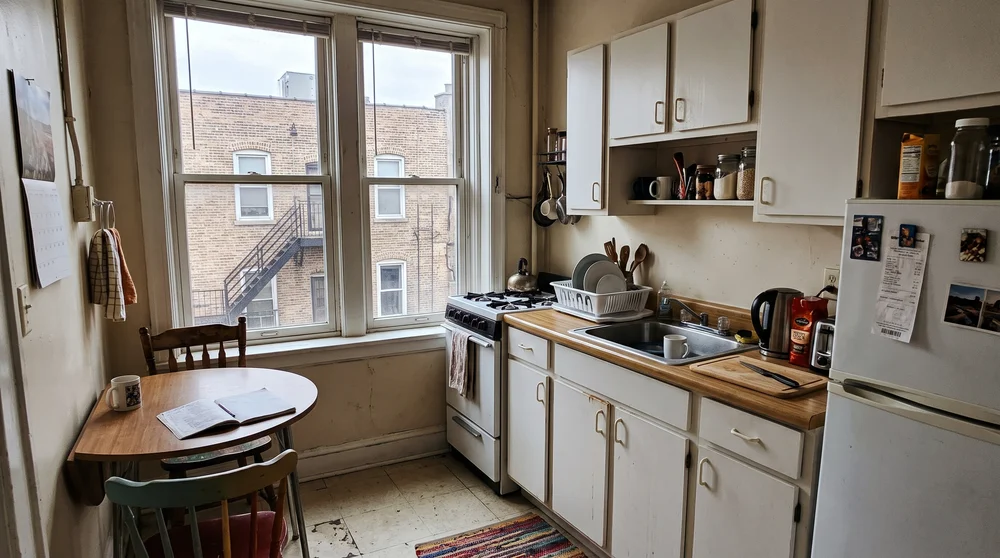
The advantages of refacing become more pronounced as square footage shrinks. A few specific factors matter most in a compact Chicago kitchen.
Granite and quartz slabs are typically bonded to the cabinet frame below them with structural adhesive. Removing base cabinets during a full demolition can put the concrete slab at risk of cracking, as well as the adjacent tile backsplash. Refacing leaves the cabinet boxes, and the countertop resting on them, undisturbed.
Because refacing doesn’t open wall cavities or require new branch-circuit wiring, it stays outside the raceway requirements of the Chicago Electrical Code (Title 14E) that apply when a gut renovation opens the walls. This keeps the scope of work, and the budget, focused on the cabinets themselves. Homeowners weighing the full financial picture can review a detailed cost breakdown of how much cabinet refacing costs before comparing quotes.
Refacing keeps the original box in place, allowing it to be trimmed and finished to fit alcoves, chimney chases, and uneven walls just as the original cabinets were. This helps avoid the gaps that standard replacement cabinets can leave in the same space.
In the 2019 Houzz study of renovation timelines, kitchen projects had the longest construction phase of any room, averaging 4.5 months nationally. Kitchen Cabinet Guys typically completes refacing projects in 3 to 5 days. That shorter timeline is especially important in a small unit where there’s no second kitchen or extra space to rely on while work is underway.
Kitchen Cabinet Guys provides a free, in-person assessment for Chicagoland homeowners to check the condition of the existing cabinet boxes and confirm whether refacing is the right fit before any commitment is made.

Call Us Now: (800) 809-7197 or
A refacing project is also the point at which the interior of the cabinets gets addressed, and in a small kitchen, interior storage is often the real complaint. Deep lower cabinets can be upgraded with full-extension, soft-close drawers in place of fixed wooden shelves. This makes it easier to reach items in the back without kneeling or digging through a dark cabinet.
A narrow base cabinet can be converted into a pull-out bin for trash and recycling, freeing up floor space that a standalone can would otherwise occupy. Slim vertical pull-outs can be built into unused filler space for baking sheets or spices, and the toe-kick space beneath the cabinets can be converted into a shallow drawer for trays and linens.
On the visual side, slim-profile Shaker doors read as lighter and less bulky than traditional raised-panel doors, which helps in a kitchen with limited natural light. Two-tone finishes, with a darker tone on the lower cabinets and white or a light neutral on the uppers, are a common way to ground the room while keeping the ceiling line feeling open. Extending the cabinets to the ceiling with matching panels and crown molding eliminates the dust-collecting gap above the upper cabinets and makes the room feel a little taller.
Refacing depends on the condition of what's already there. If the existing cabinet boxes show water damage, rot, or delamination, particularly around a sink or dishwasher, refacing new surfaces onto a compromised structure isn’t a durable solution. If the boxes are built from low-density particleboard that has started to sag or separate, the same problem applies.
And if the actual complaint is the layout itself, not the finish, such as a kitchen that needs the sink moved, or an exterior wall opened up, refacing won’t resolve that. In those cases, a full or partial cabinet replacement that addresses the layout is the more honest recommendation, even from a refacing company.
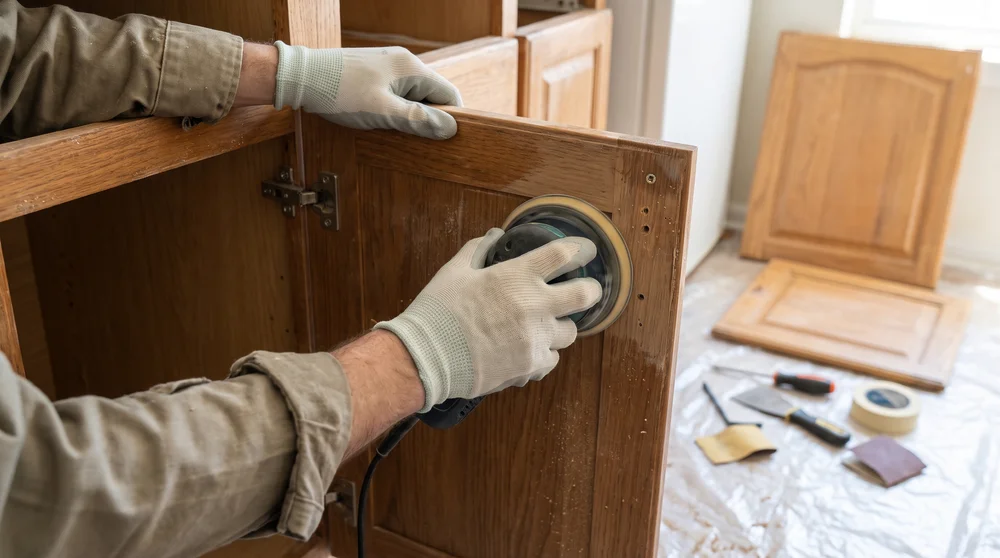
Kitchen Cabinet Guys is a Chicago-based cabinet manufacturer that has focused on refacing and thermofoil finishing since 2019, running its own production facility in West Chicago rather than subcontracting the finish work.
Every project follows the same basic process, regardless of scope. Existing surfaces are stripped, cleaned, and prepared before a fresh layer of adhesive is applied. Door finishes are then bonded under heat and pressure in a vacuum press, while the cabinet boxes receive a matching finish applied by hand on site. The company sources its laminate and thermofoil materials through a partnership with Omnova.
Refacing projects in the Chicagoland area are typically completed in three to five days on site. Thermofoil door repair, a narrower service for homeowners dealing specifically with peeling or delaminating door surfaces, runs through that same refacing process and can often be turned around within 48 hours in the Chicago area.
The right path for a small Chicago kitchen comes down to the condition of what's already installed. Cabinet refacing is a good option when the existing boxes are structurally sound, and the layout already works for the space. If the kitchen has water damage, deteriorating particleboard, or a layout that no longer meets your needs, a full replacement may be the better option. Chicagoland homeowners can schedule a free in-person assessment with Kitchen Cabinet Guys to determine which category a kitchen falls into before any commitment is made.
It depends on the condition of the existing cabinet boxes. If the boxes are structurally sound and the layout already works, refacing updates the doors, drawer fronts, and hardware while avoiding the cost and disruption of removing the countertop and opening the walls.
A typical Chicagoland refacing project takes 3 to 5 days to complete. By comparison, the construction phase of a kitchen remodel averaged 4.5 months nationally in the 2019 Houzz renovation study.
No. Refacing updates the exterior surfaces and can add interior upgrades like pull-out drawers, but it won’t move plumbing, relocate a sink, or change the kitchen’s footprint.
Yes, in most cases. Because the cabinet boxes stay in place, the countertop resting on them is not disturbed the way it would be during a full cabinet demolition.
Painting recoats the existing doors and frames but doesn’t address worn hinges, stripped screw holes, or damaged surfaces underneath. Refacing versus painting comes down to whether the goal is a factory-finished result or a surface-level recoat.
Requirements vary by building. Because refacing doesn’t involve structural changes to the unit, it is generally treated differently from a full renovation. However, homeowners in a high-rise or condo building should confirm their association's specific policy before scheduling work.

Get a free, in-person assessment from Kitchen Cabinet Guys. We'll give you an honest assessment of whether your existing cabinet boxes are a good fit for refacing before you commit to anything.
Call us now: (800) 809-7197 or
Learn the exact signs to reface kitchen cabinets in Chicagoland, compare real pricing and timelines, and schedule a free consultation today.
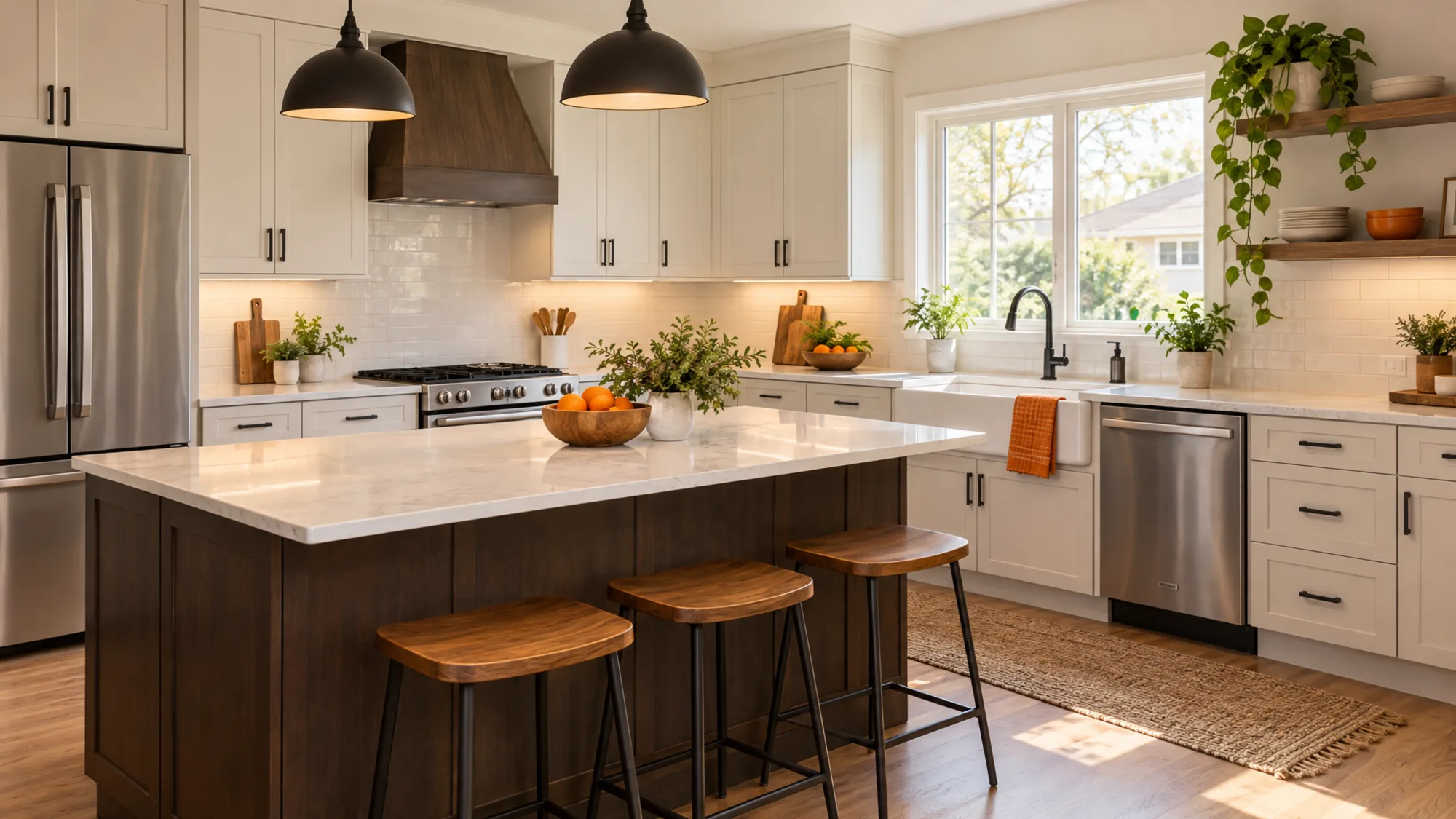
Compare eco-friendly cabinet finishes for your 2026 refacing project, from 3D laminate to certified wood, and see why refacing cuts landfill waste.
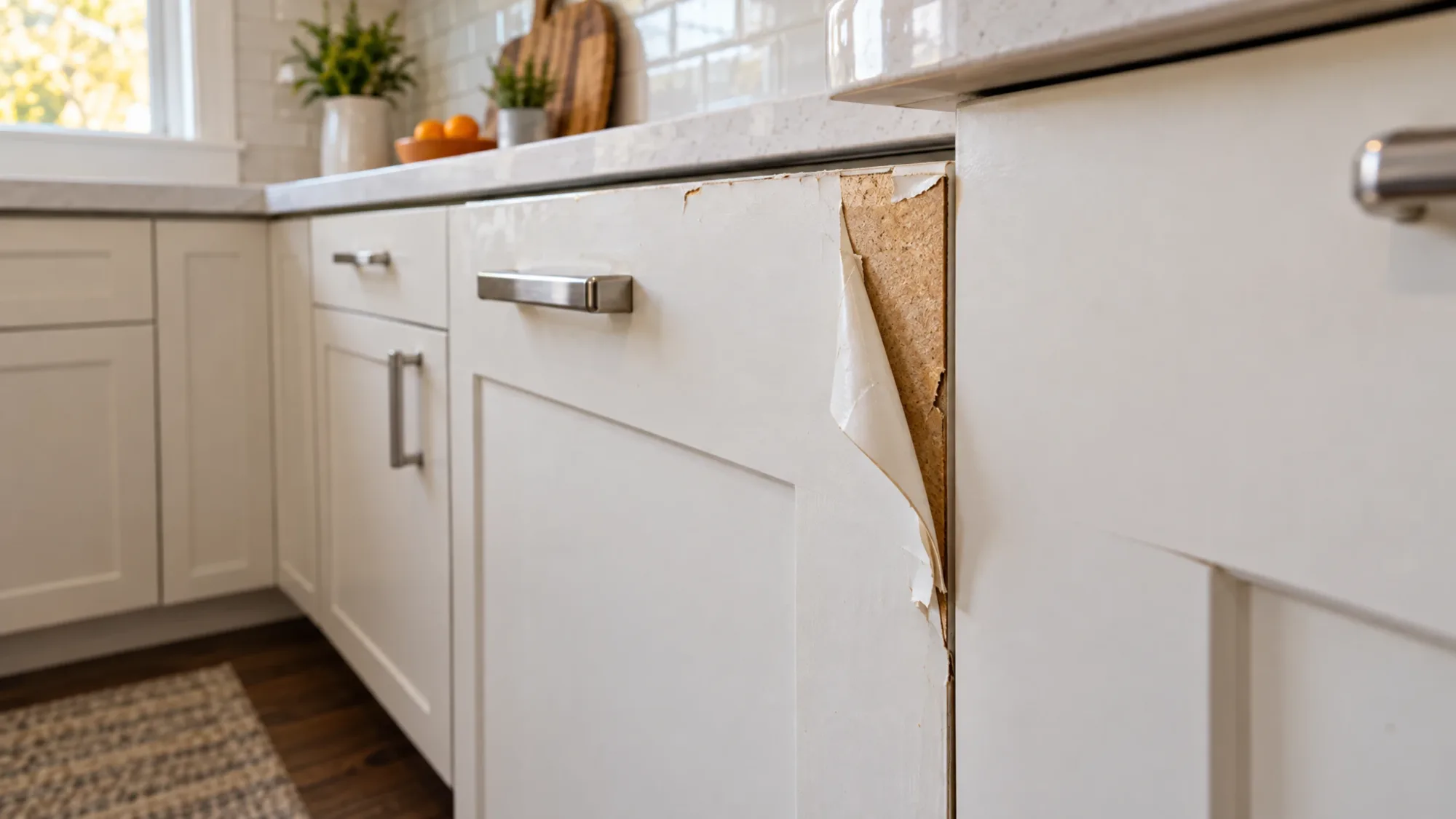
Got thermofoil cabinets peeling near the sink or stove? See which fix actually works, then call Kitchen Cabinet Guys for a free refacing estimate.