20 Expert Strategies for Creating a Cohesive Kitchen Design
Discover how to create a cohesive interior design with professional strategies for color, texture, hardware & cabinet refacing. Get your dream kitchen!
By
Andrei Graur
Published
11/20/2023


Your kitchen cabinets cover more visible surface area than any other element in the room. When they look dated, the entire kitchen reads as old, regardless of how new the appliances or countertops are. The good news is that full replacement is rarely the only option. Most kitchens with outdated cabinets have solid box structures that qualify for targeted upgrades, and those upgrades can transform the space from tired to current without the cost or disruption that a full remodel entails.
In this guide, our kitchen pros at Kitchen Cabinet Guys delve into the most practical ways to update kitchen cabinets, from simple hardware swaps to complete kitchen cabinet renovation using cabinet refacing. Throughout, we’ll provide honest notes on what each approach delivers and what it costs.
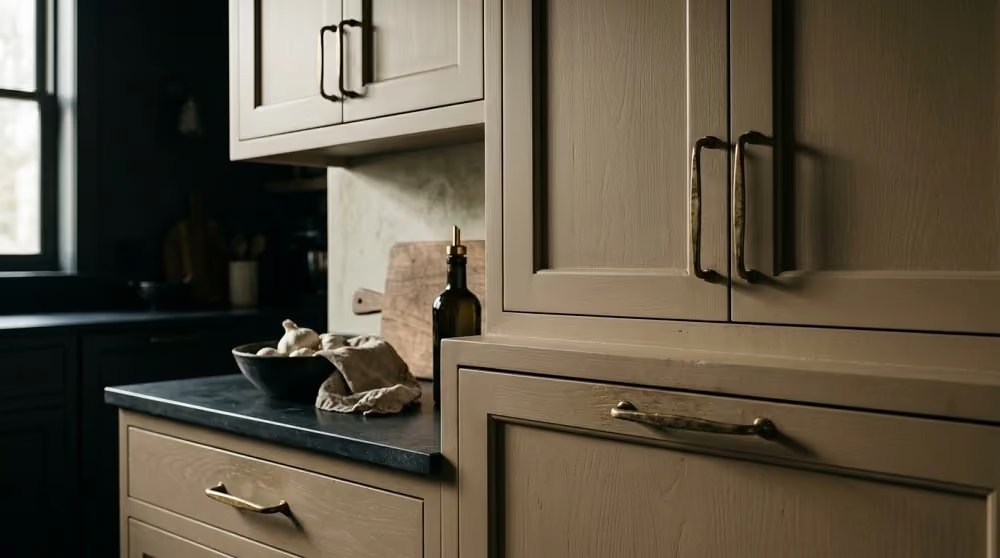
Before committing to any kitchen cabinet upgrade, you’ll want to identify what specifically is making the kitchen feel old. Not every problem requires the same fix, and misidentifying the issue leads to spending money on the wrong solution.
The most common visual indicators that cabinets have aged past their useful aesthetic life include:
Cabinets that slam, stick, creak, or have peeling surfaces on the inside of the doors combine functional and cosmetic problems. Peeling thermofoil is an especially noteworthy material failure that’s easy to repair or replace without touching the cabinet box.
The most common question homeowners ask is how to update kitchen cabinets without replacing them altogether. The answer depends on which part of the cabinet is causing the problem.

One of the easiest and least expensive cabinet upgrades is replacing the hardware. Older brass or brushed nickel pulls and handles can quickly make a kitchen look older than it is. Replacing with matte black, flat bar pulls, or brushed gold can shift the visual register of the cabinets without touching the doors or boxes. For a thorough look at hardware styles, finishes, and sizing, see our tips on how to pick kitchen hardware.
Hardware replacement works best when the doors themselves are in acceptable condition. If the door style itself is dated, new hardware can refresh the look, but it won’t change the overall cabinet profile.
.avif)
When the door style is the main problem, cabinet door replacement is a direct way to address it. The existing cabinet boxes stay in place. New doors in a current profile, such as flat-panel shaker, slab, or recessed square, are manufactured and installed in their place.
This approach works well when:
If the cabinet style feels outdated, replacing the doors can transform the look of the kitchen for far less than a full remodel.
Peeling thermofoil is one of the most common complaints about older laminate cabinets. The vinyl film separates from the MDF substrate, especially near heat sources and along the door edges. This is a repair situation, not a full replacement situation.
Thermofoil door repair removes the damaged film, prepares the substrate, and bonds new 3D laminate to the surface using vacuum-press technology. The result is a smooth, sealed finish that matches the rest of the cabinet and handles daily kitchen conditions without re-peeling. Homeowners considering painting over peeling thermofoil instead should first read how to paint thermofoil cabinets to understand the limitations of that approach.
Repairing thermofoil instead of replacing the doors can be a cost-effective option when the door style still works for the space, and the underlying substrate remains in good condition.

Painting gives existing doors a color refresh without changing their profile, material, or durability characteristics. It works best on solid wood doors in good structural condition. On MDF or laminate, paint adhesion is more variable and tends to show wear at edges and handles within a few years.
Cabinet painting costs less than refacing upfront, but the finish's life is shorter. Most painted cabinets need touch-ups or full repainting within five to eight years, compared to 15 to 20 years for refaced cabinets with a bonded 3D laminate finish. For a detailed comparison, read more about cabinet refacing vs. painting.
#cta_start
Send us photos of your kitchen, and we'll tell you exactly what we'd recommend — no obligation, no sales call until you're ready.
#cta_end
For kitchens where the doors are dated, the laminate is worn, and the hardware is outdated all at once, cabinet refacing handles all three in a single project. It’s the most thorough way to update kitchen cabinets without touching the existing structural boxes.
A refacing project replaces every visible surface of the cabinetry:
The cabinet boxes themselves stay in place. Because there’s no demolition, the kitchen plumbing, appliances, and flooring stay undisturbed throughout the project.
Full kitchen cabinet remodeling removes the existing boxes and installs entirely new cabinetry. This approach is typically necessary when cabinet boxes are structurally compromised, the layout needs to be reconfigured, or plumbing and electrical systems are being relocated. When none of those conditions apply, remodeling spends money replacing a functional structure that didn’t need to be replaced.
Cost ranges reflect a standard 10x12 kitchen with approximately 20 linear feet of cabinetry. Final pricing varies by cabinet count, material selection, and hardware.
Refacing is ideal when the cabinet boxes are structurally sound, and the kitchen layout still works. Common qualifying situations include:
If the cabinet boxes have water damage, structural issues, or the kitchen layout needs to change, refacing is usually not the best option. For a detailed review, see the cabinet refacing eligibility checklist.
Knowing how to update kitchen cabinets is only half the decision. It’s equally important to choose a direction that holds up visually over time.

Shaker-style doors with a simple recessed center panel work across most kitchen configurations. They come across as current without chasing a trend that ages quickly. Flat-panel or slab doors are the cleaner version, preferred in kitchens with minimal other detail or in spaces where a contemporary look is the goal.
High-gloss white laminate was widely used through the 2010s and is now showing its age in many homes. Matte and satin finishes in soft white, warm off-white, sage, or greige have replaced it as the more durable-looking choice. Matte surfaces show fingerprints less readily and tend to photograph better for those considering resale.
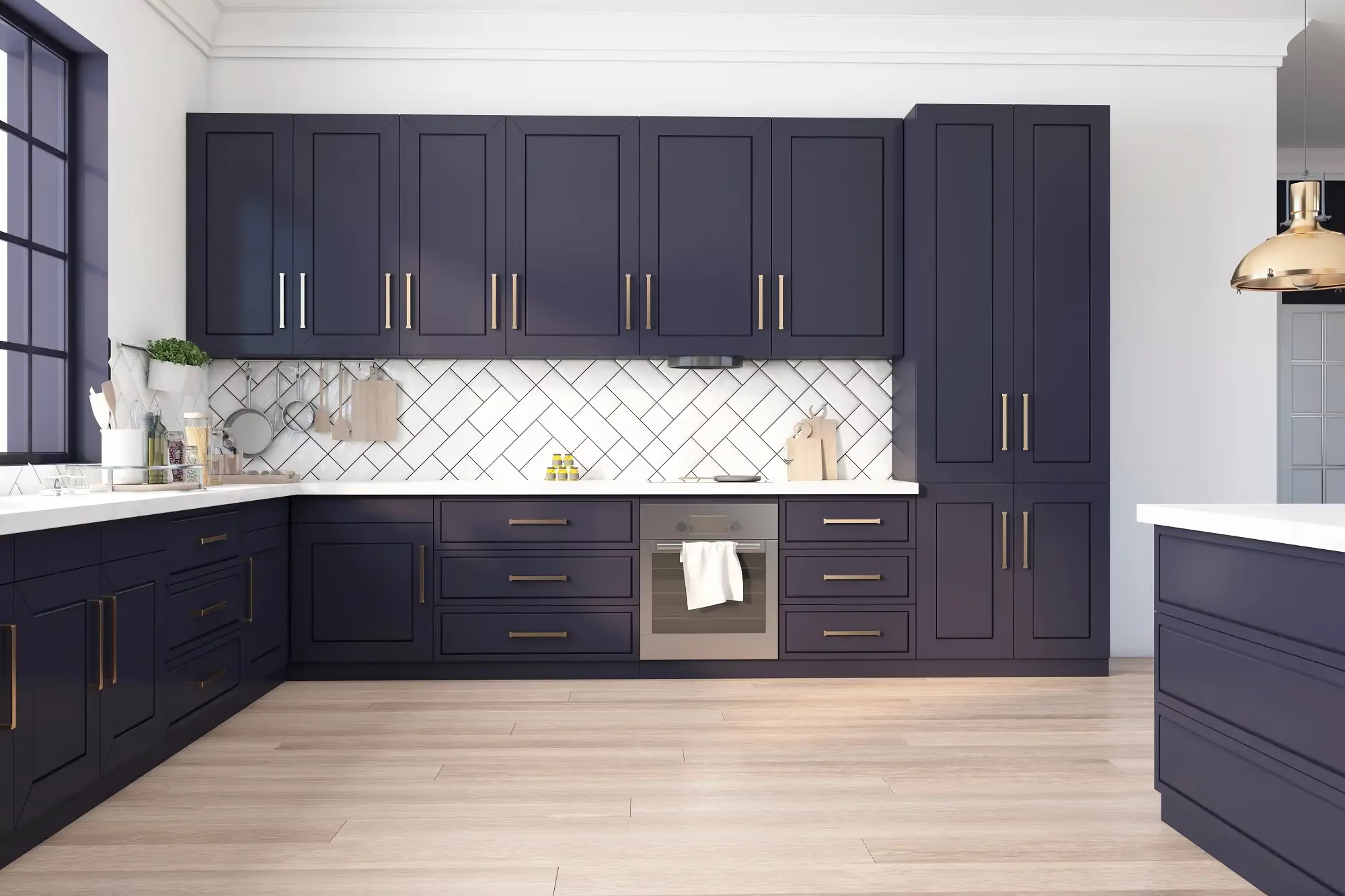
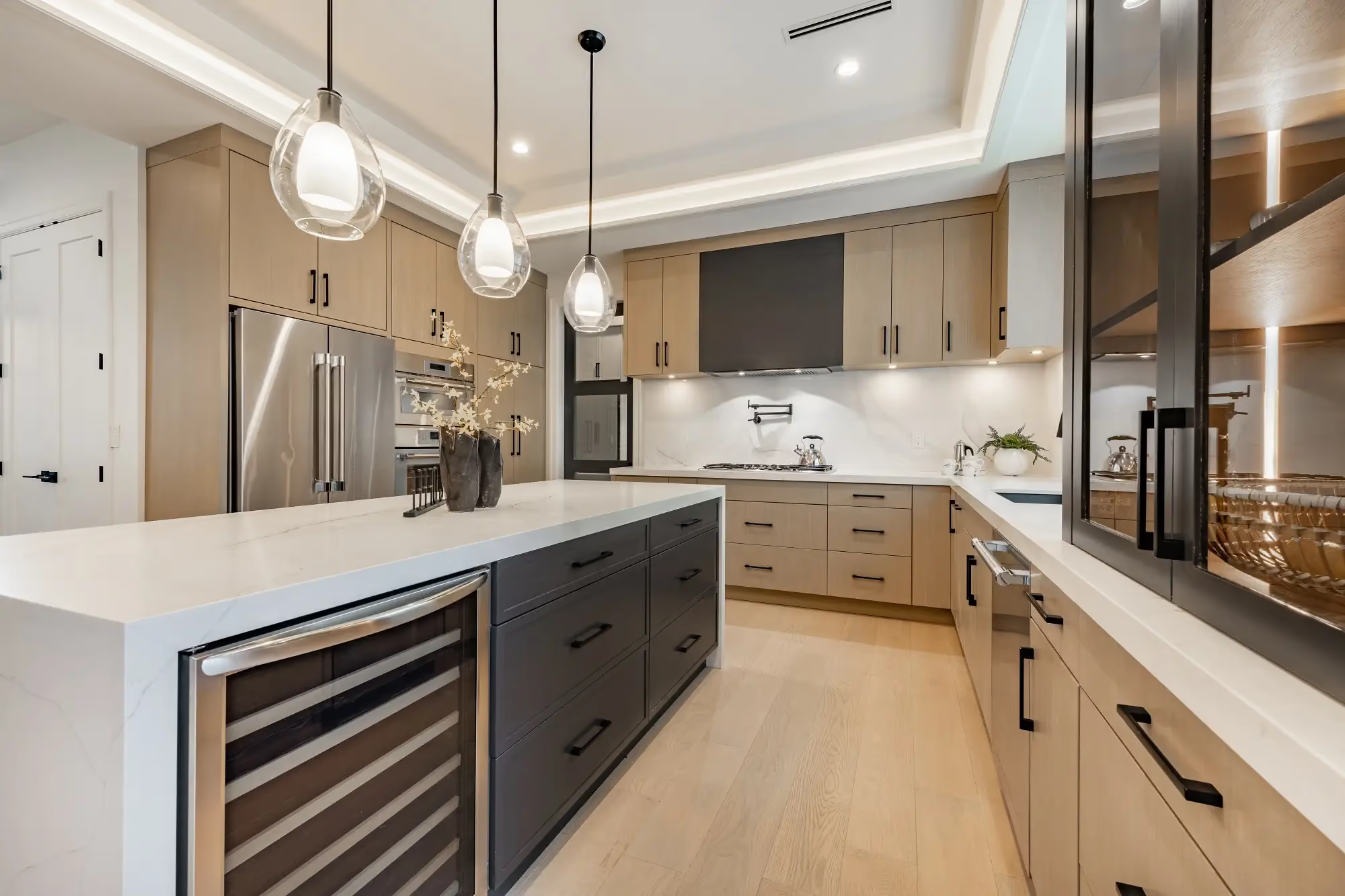
Painting or refacing uppers and lowers in different colors adds depth to a kitchen without requiring any layout changes. Pairing white or light upper cabinets with darker lower cabinets is a classic choice that works well across a wide range of styles. For broader design guidance on keeping the kitchen visually cohesive when mixing finishes, see how to create a cohesive kitchen design.
Flat bar pulls in a linear format read differently than older round or cup pulls. Matte black and brushed brass bar pulls pair naturally with Shaker and slab doors, helping connect the cabinetry to the rest of the kitchen’s finishes.
Whether the project involves door replacement, thermofoil repair, or full cabinet refacing, the sequence follows a consistent structure.

One of our technicians reviews the cabinet boxes, face frames, doors, and drawer fronts in person, taking measurements for every door and panel. This confirms whether refacing, repair, or replacement is the right path.
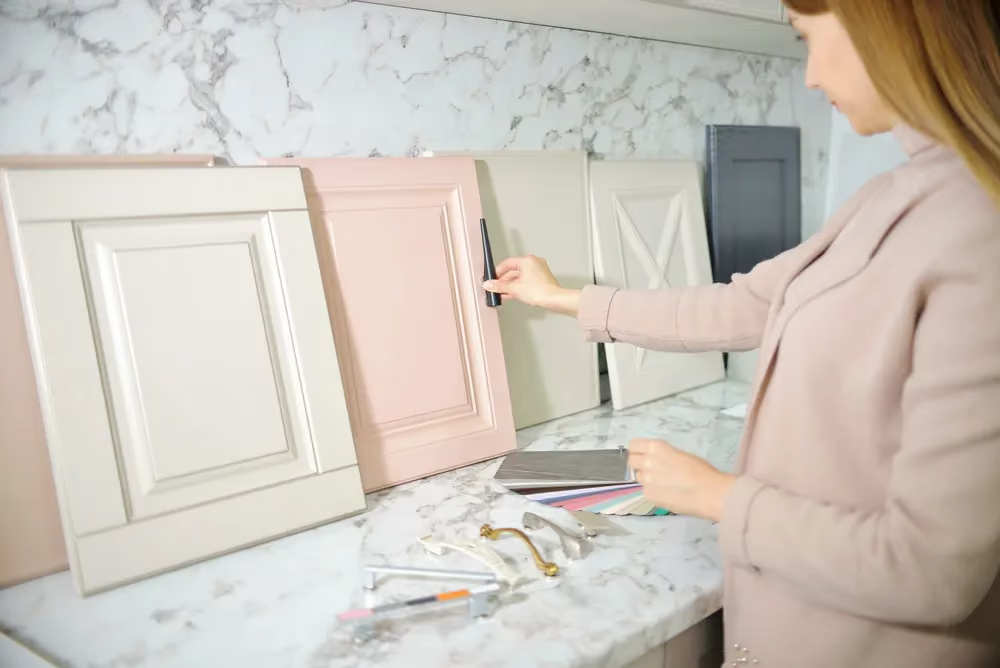
Homeowners can choose from over 200 colors and finish options, including realistic woodgrains, matte solid colors, high-gloss finishes, and stone-look laminates. Door profiles are selected based on the kitchen layout and preferred style direction. The finish material is equally as important as the profile; if you're weighing laminate against wood, the two differ in durability, daily maintenance, and how they age in a high-use kitchen.
We produce new doors and drawer fronts at Kitchen Cabinet Guys' West Chicago facility. CNC machines cut MDF to the specified profile, and 3D laminate is bonded through a vacuum-press machine to produce a seamless, durable surface.
We’ll remove the existing doors and drawer fronts, and replace them with new laminate material that’s applied to the cabinet box surfaces. From there, we apply new doors, drawer fronts, and hardware. Most projects are completed in 3 to 5 business days.
While updating the look is important, it’s also important to add functionality to extend the value of your investment.

Soft-close hinge hardware installs during refacing or door replacement and eliminates the impact of cabinet doors closing. It reduces noise, extends the life of both the door and the face frame, and adds a detail that reads as a quality finish in the kitchen.
If you’re already replacing cabinet doors or refacing, it’s a great time to add pull-out shelves to base cabinets, making storage easier to access without investing in new cabinets.
Full-extension drawer glides replace older partial-extension hardware and allow you to access the full depth of the drawer. Combined with new drawer fronts, they update both the visible and functional elements of the cabinet in one step.
Your cabinet upgrade is more than a cosmetic decision. It affects how the kitchen functions day to day, how it holds up over time, and what a future buyer sees when they walk in. The right path depends on cabinet condition, budget, and how much of the kitchen you want to change, and those factors look different in every home.
Kitchen Cabinet Guys specializes in kitchen cabinet makeovers across Chicagoland, from targeted thermofoil repairs to full cabinet refacing with over 200 color and finish options. We manufacture all products in America and bond using vacuum-press technology for a finish that withstands daily kitchen use. Our team reviews your space, confirms eligibility, and walks you through the options before any work begins.
Contact us for a free consultation and see what your kitchen can look like without the cost or disruption of full replacement.
Kitchen Cabinet Guys works with Chicagoland homeowners to assess cabinet condition, confirm the right upgrade path, and complete refacing projects in 3 to 5 business days. With over 200 design options and 0% interest for 18 months, kitchen cabinet renovation is accessible without the timeline or cost of a full remodel. Contact us for a free estimate.
Yes. The most effective options are cabinet refacing, door replacement, thermofoil repair, hardware swaps, and paint, depending on the condition of the cabinets and what specifically looks outdated. Refacing is the most comprehensive of these and addresses doors, surfaces, and hardware in a one project.
Most cabinet refacing projects are completed in 3 to 5 business days. The kitchen stays accessible throughout the project because no demolition is involved.
Refacing typically costs $4,000 to $9,000 for a standard kitchen. Full replacement in the same kitchen typically runs $12,000 to $35,000, depending on cabinet count and material selection. For a detailed breakdown of what drives refacing costs, see how much cabinet refacing costs.
No. Refacing keeps the existing cabinet boxes in place, which means the layout, plumbing, appliances, and flooring stay exactly where they are.
Cabinets with structural damage, water infiltration in the box substrate, or layouts that require physical changes aren’t good candidates for refacing. A physical inspection is a good way to confirm eligibility before committing.

Kitchen Cabinet Guys reviews your cabinet condition and layout to recommend the right update path for your kitchen.
Call us now: (800) 809-7197 or
Get a Free EstimateContact us today for a consultation or estimate, and let us help you craft the kitchen you've always dreamt of.

Call us now: (800) 809-7197 or
Get a Free Estimate